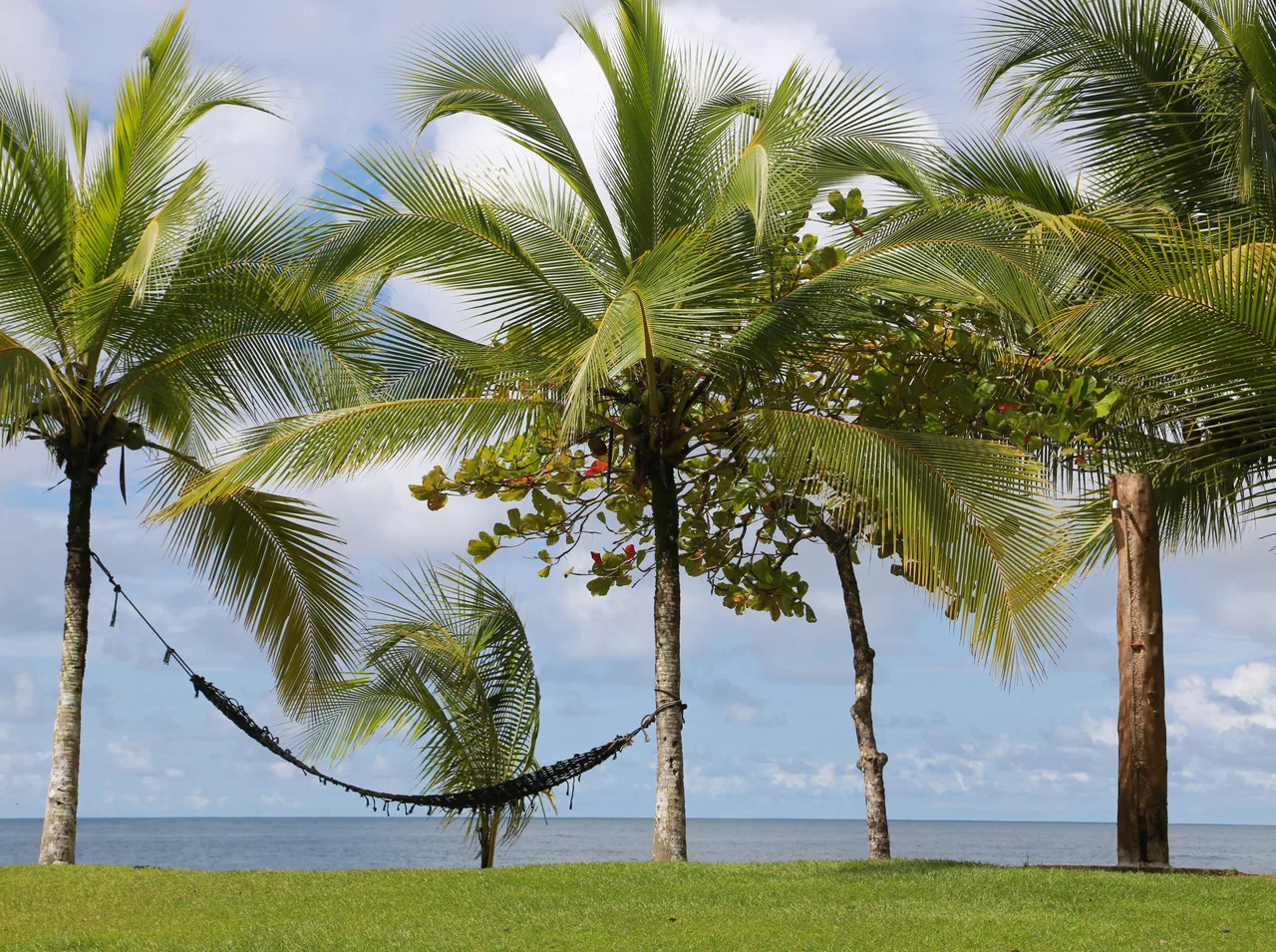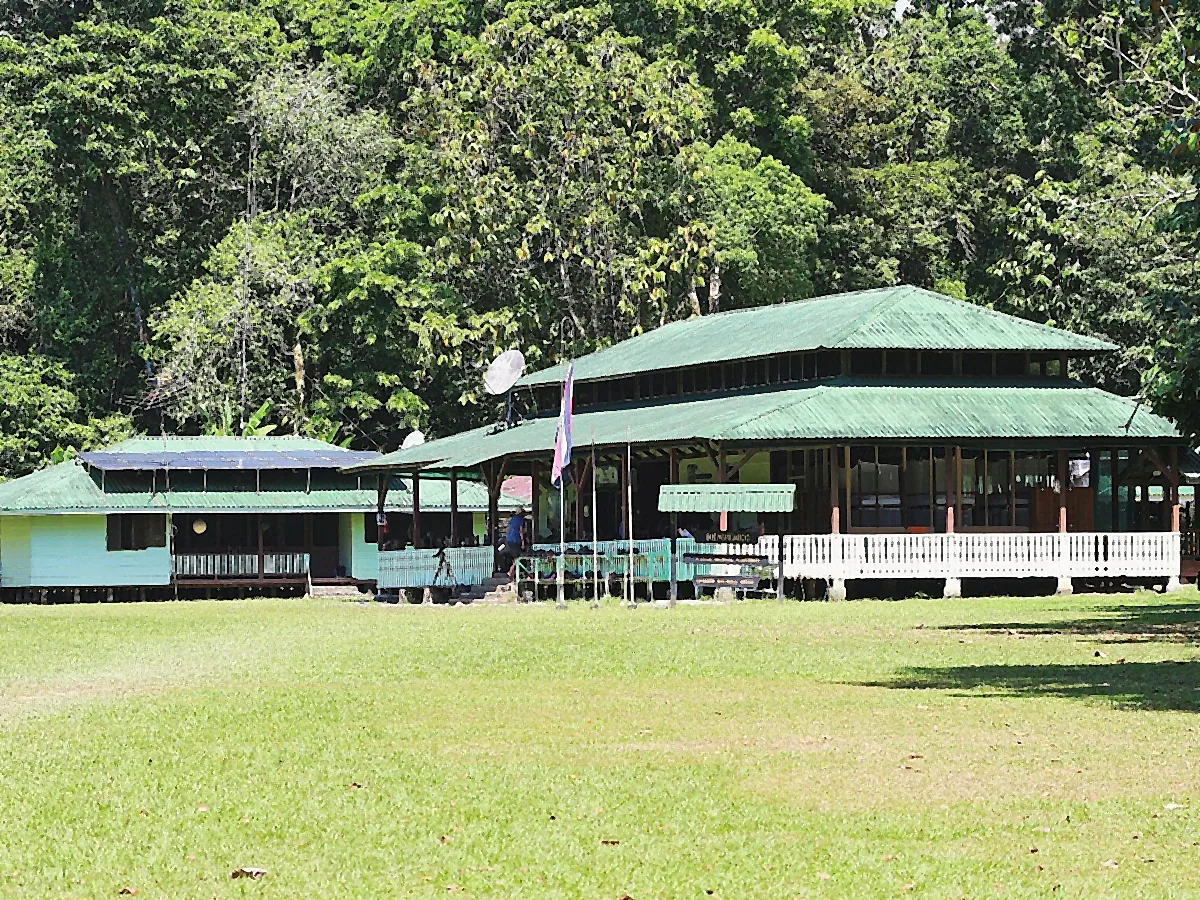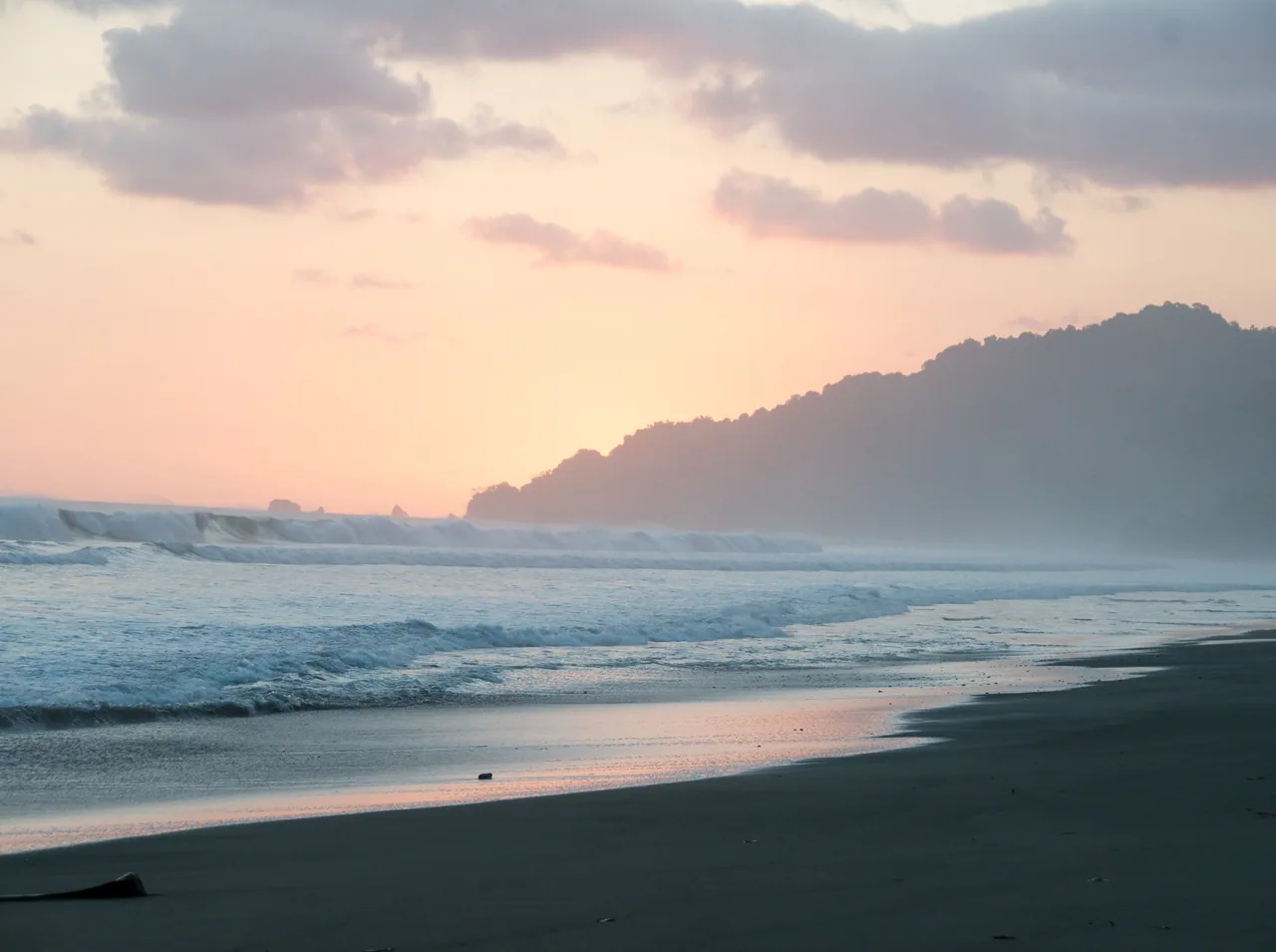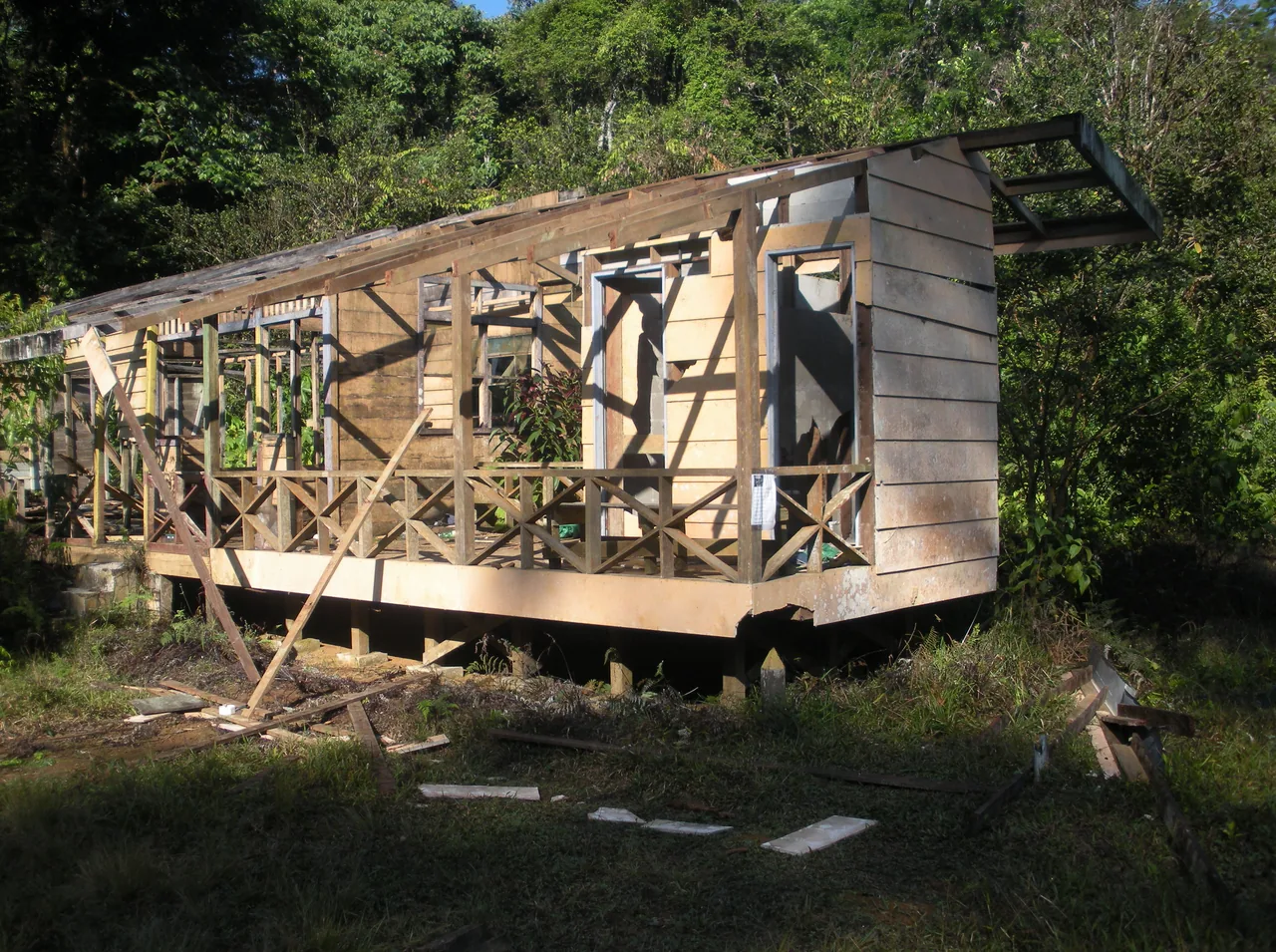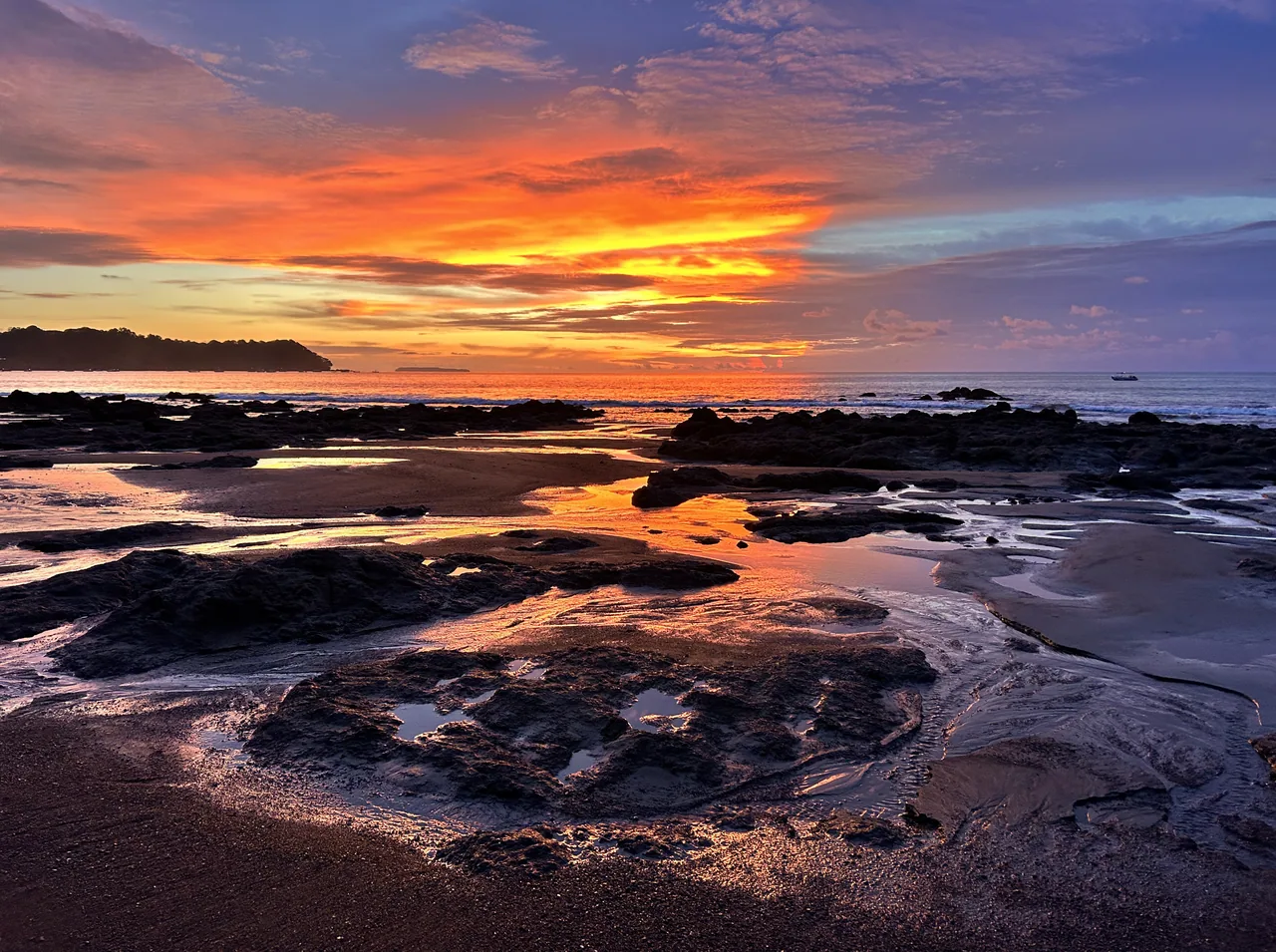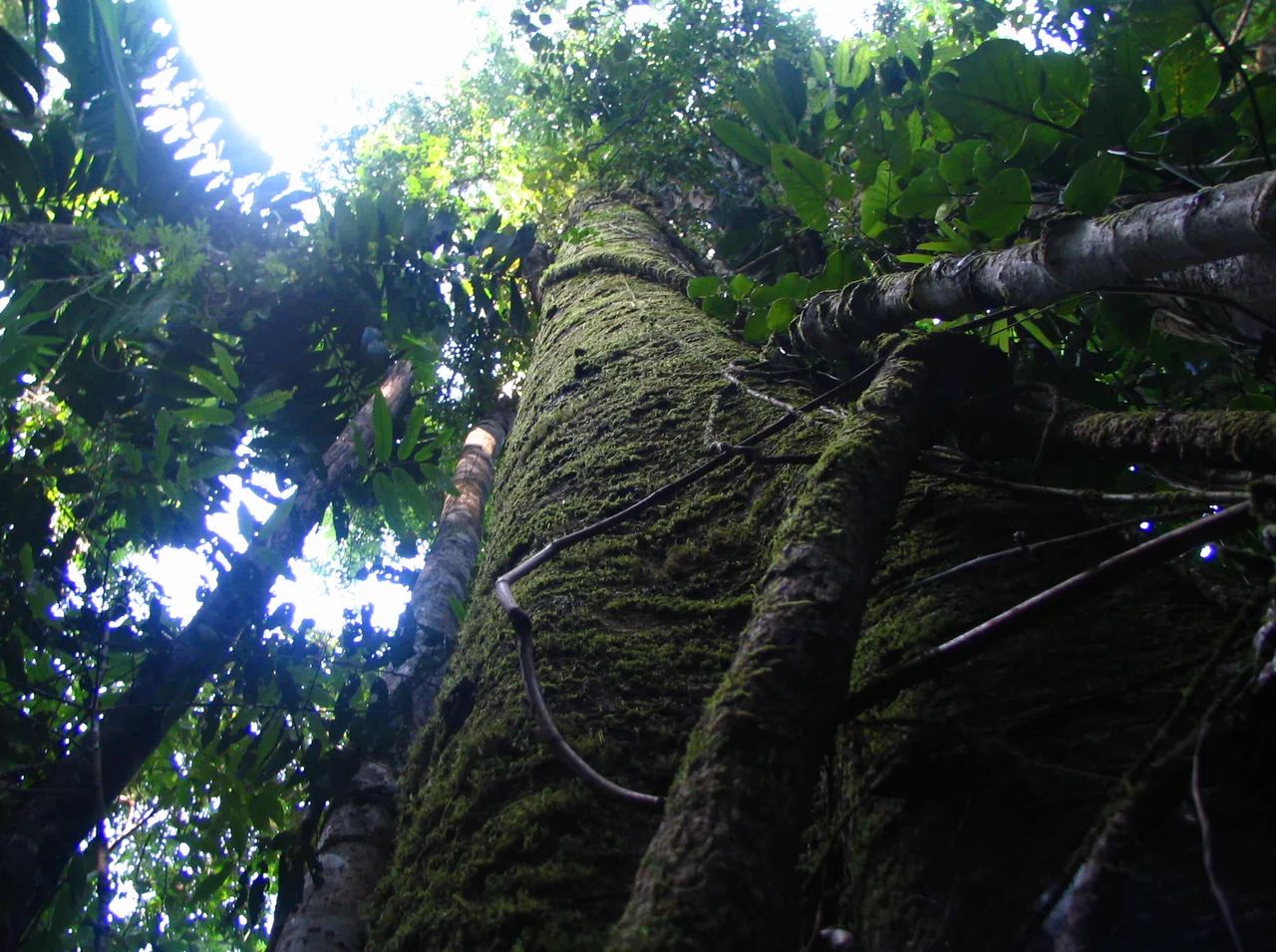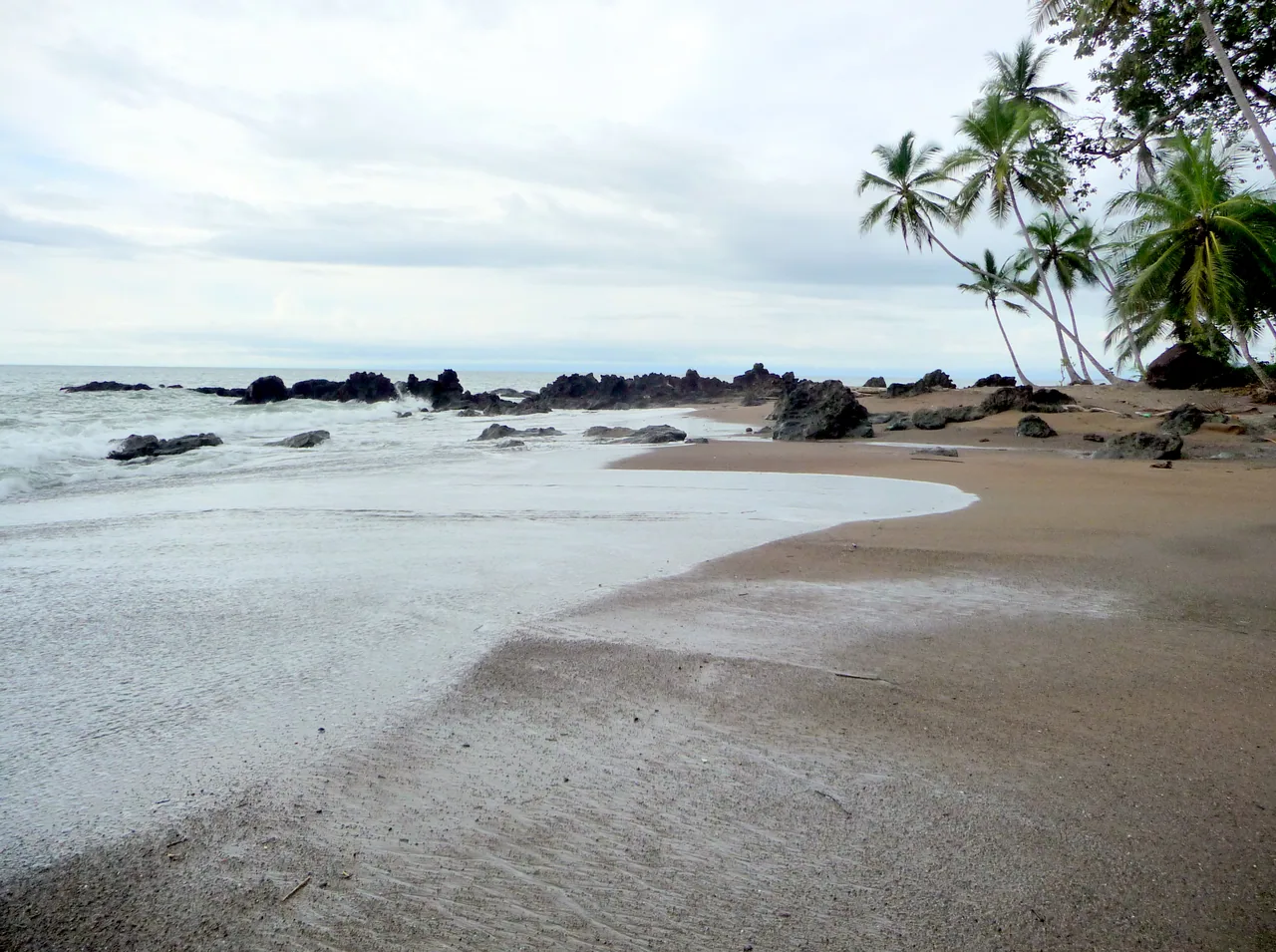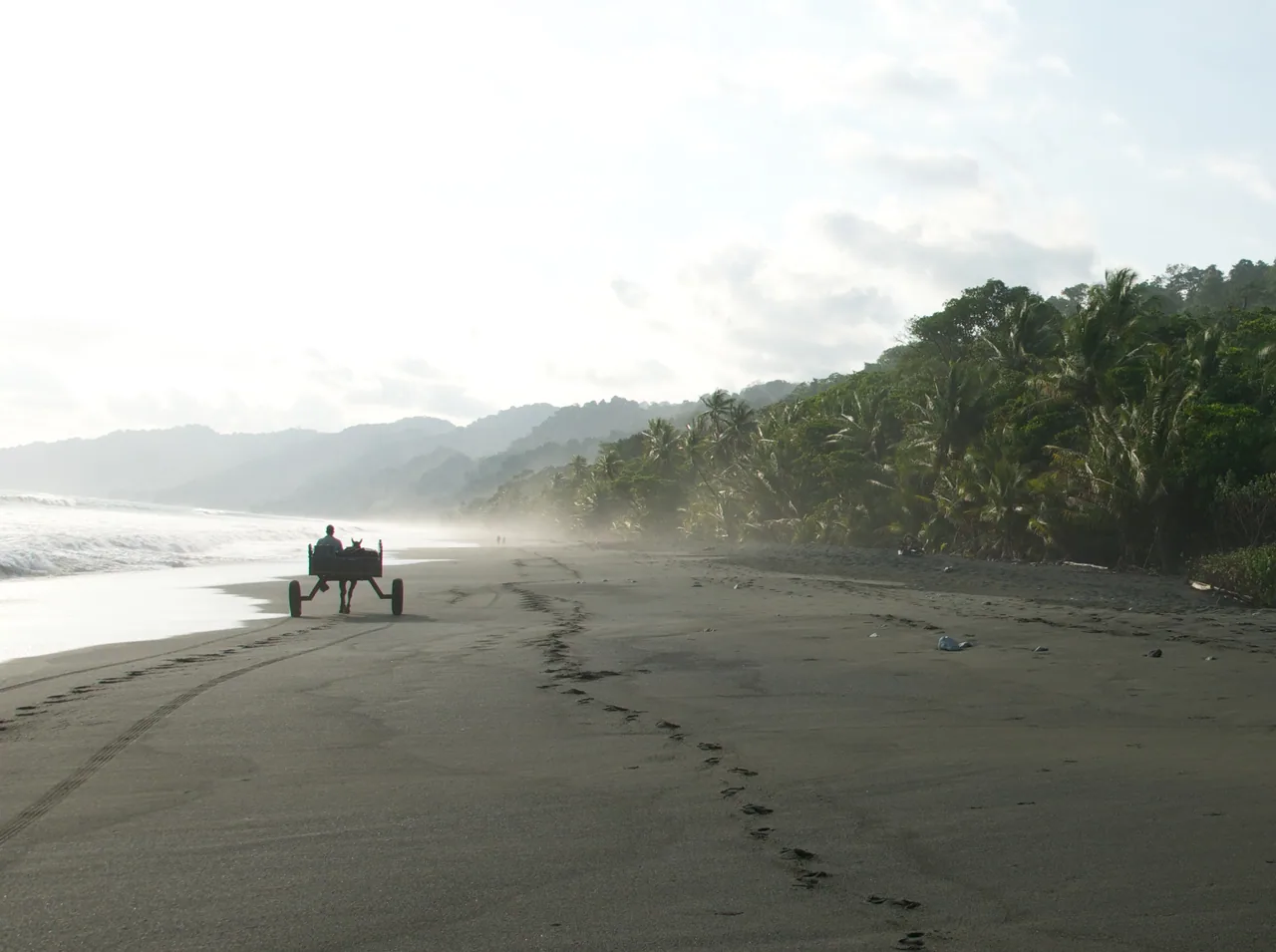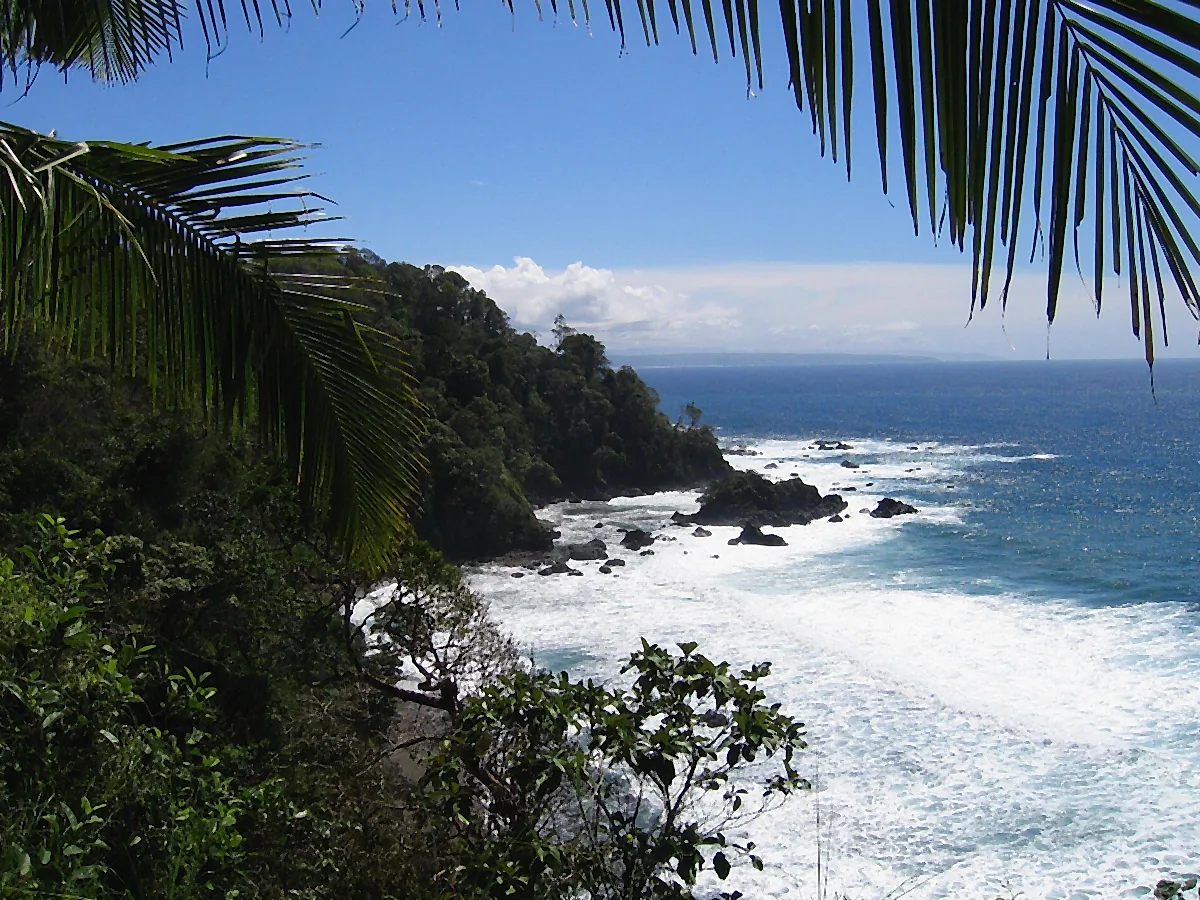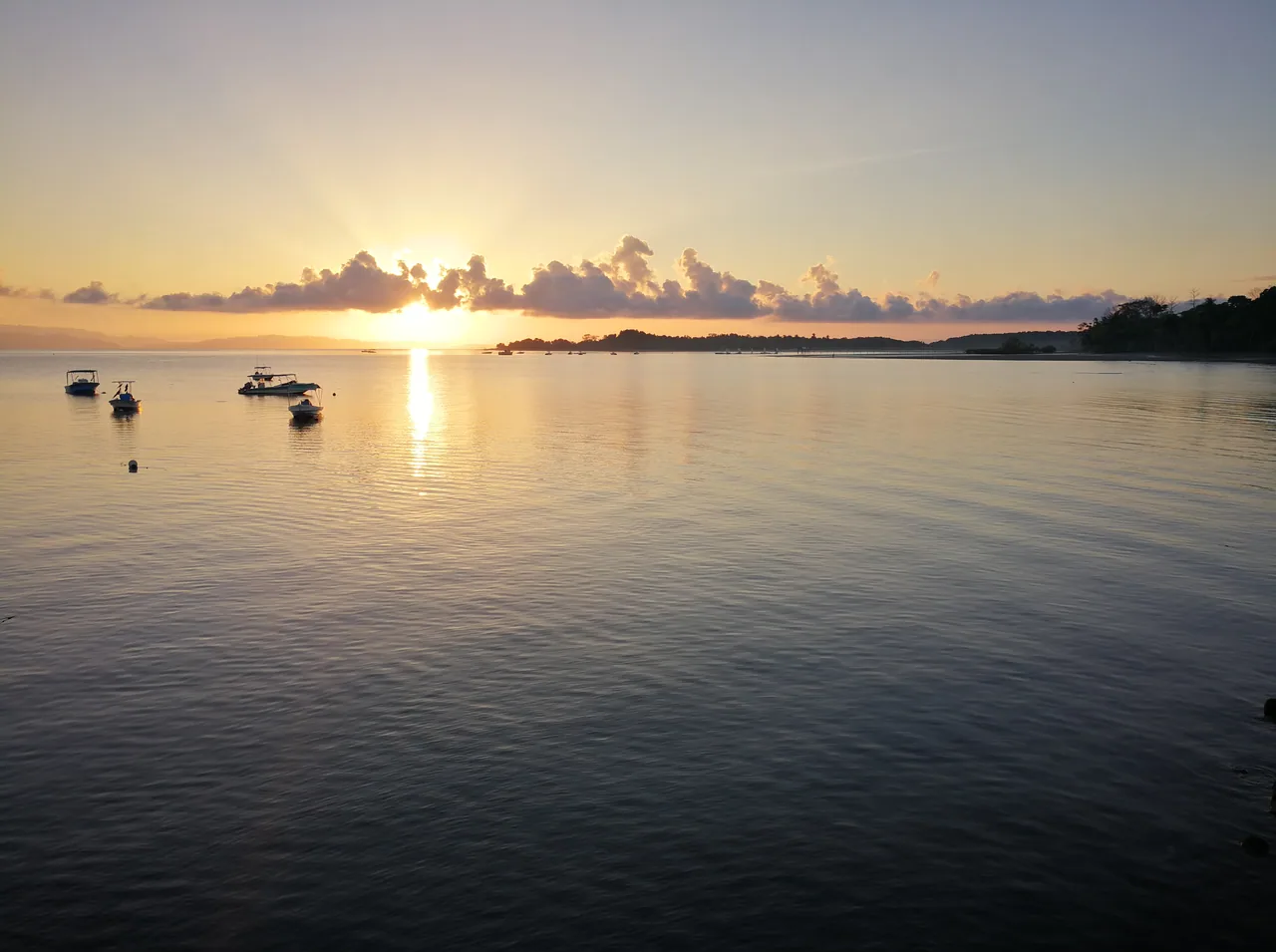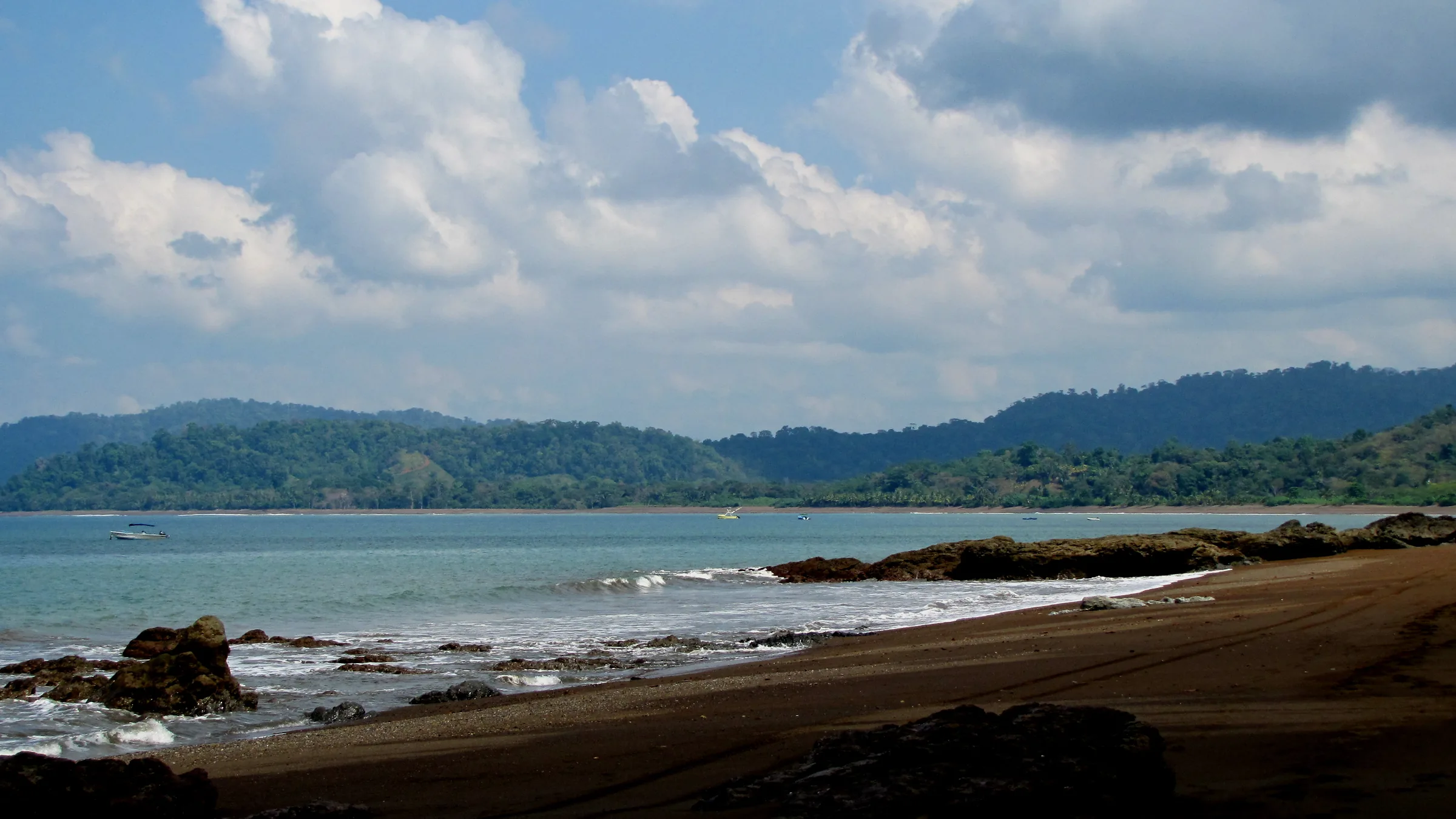
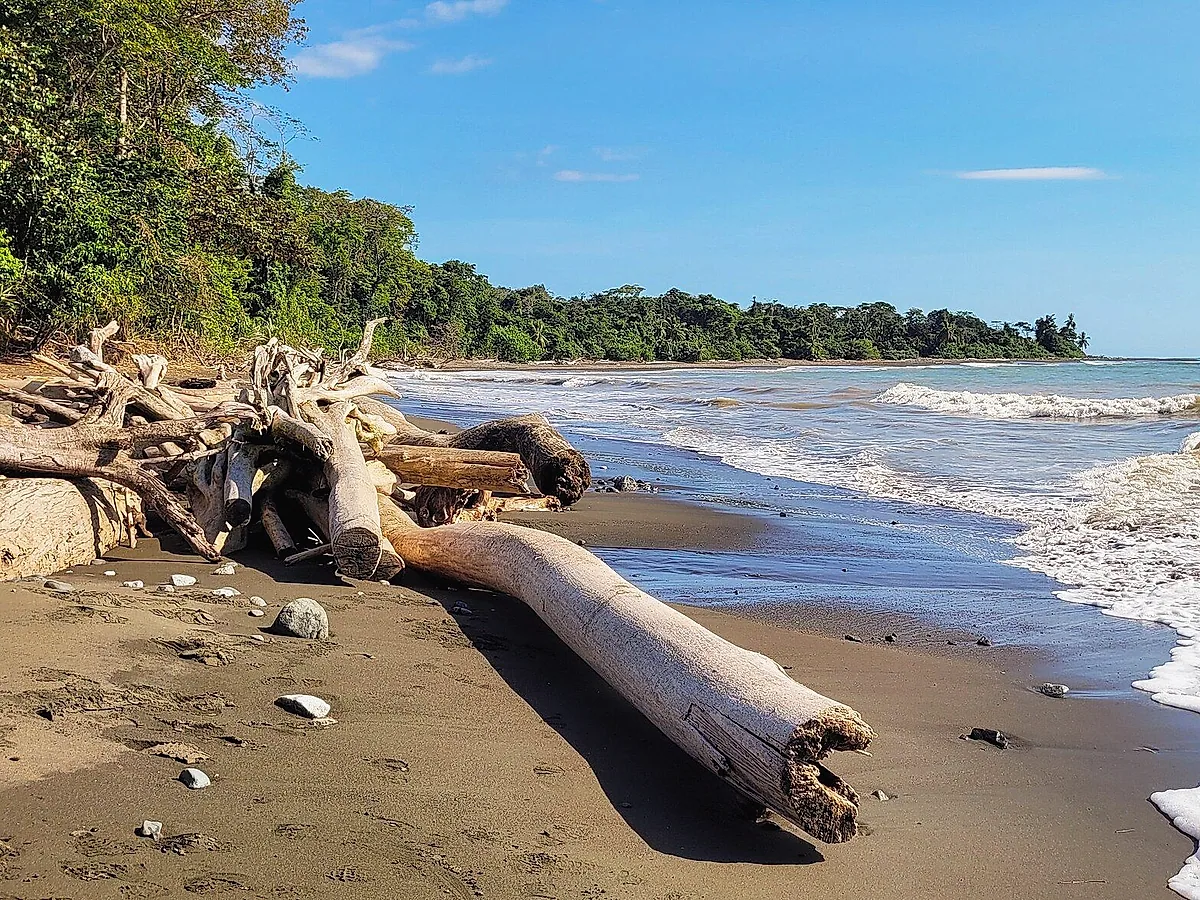
A large tree with exposed roots on a pebble beach on the Osa Peninsula.

Osa
& Corcovado

The most remote rainforest in the country

Before you go, understand the place.

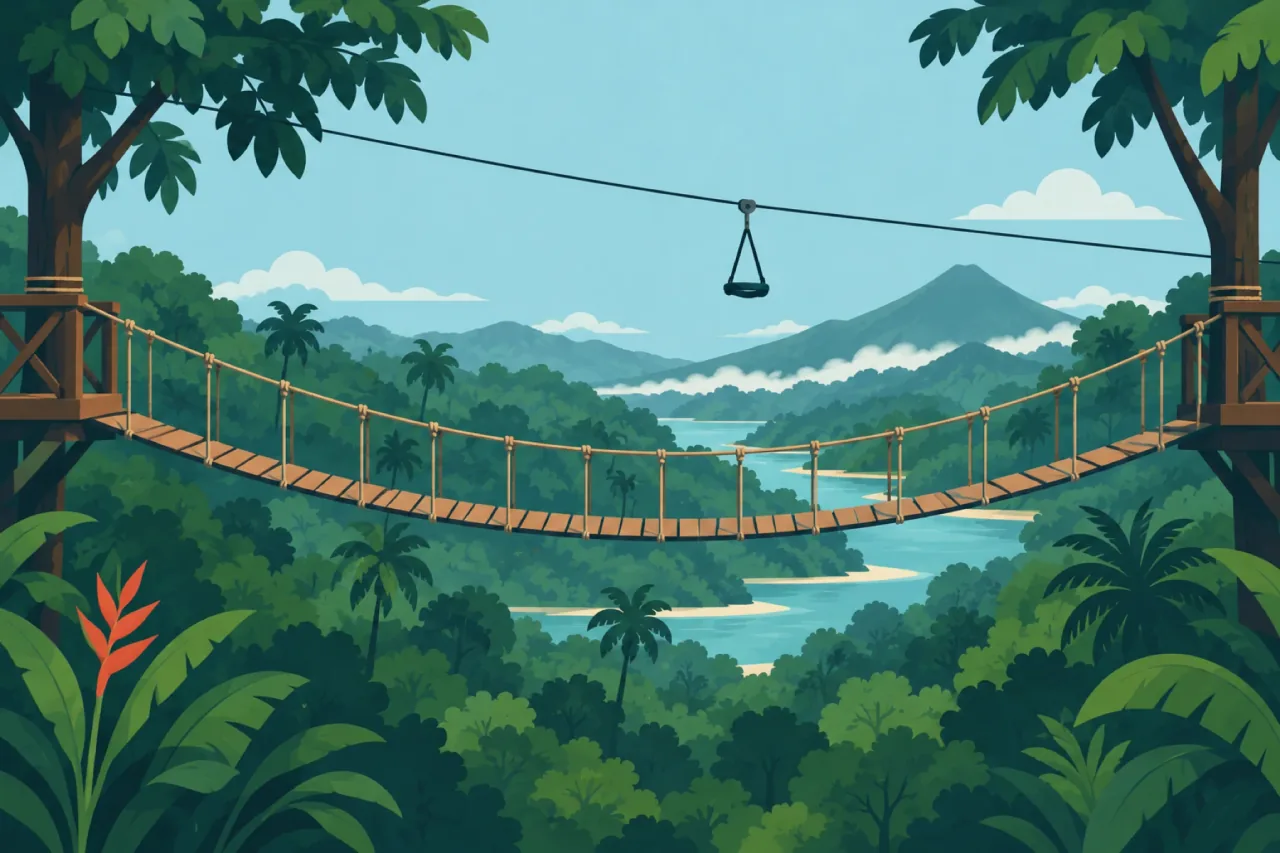
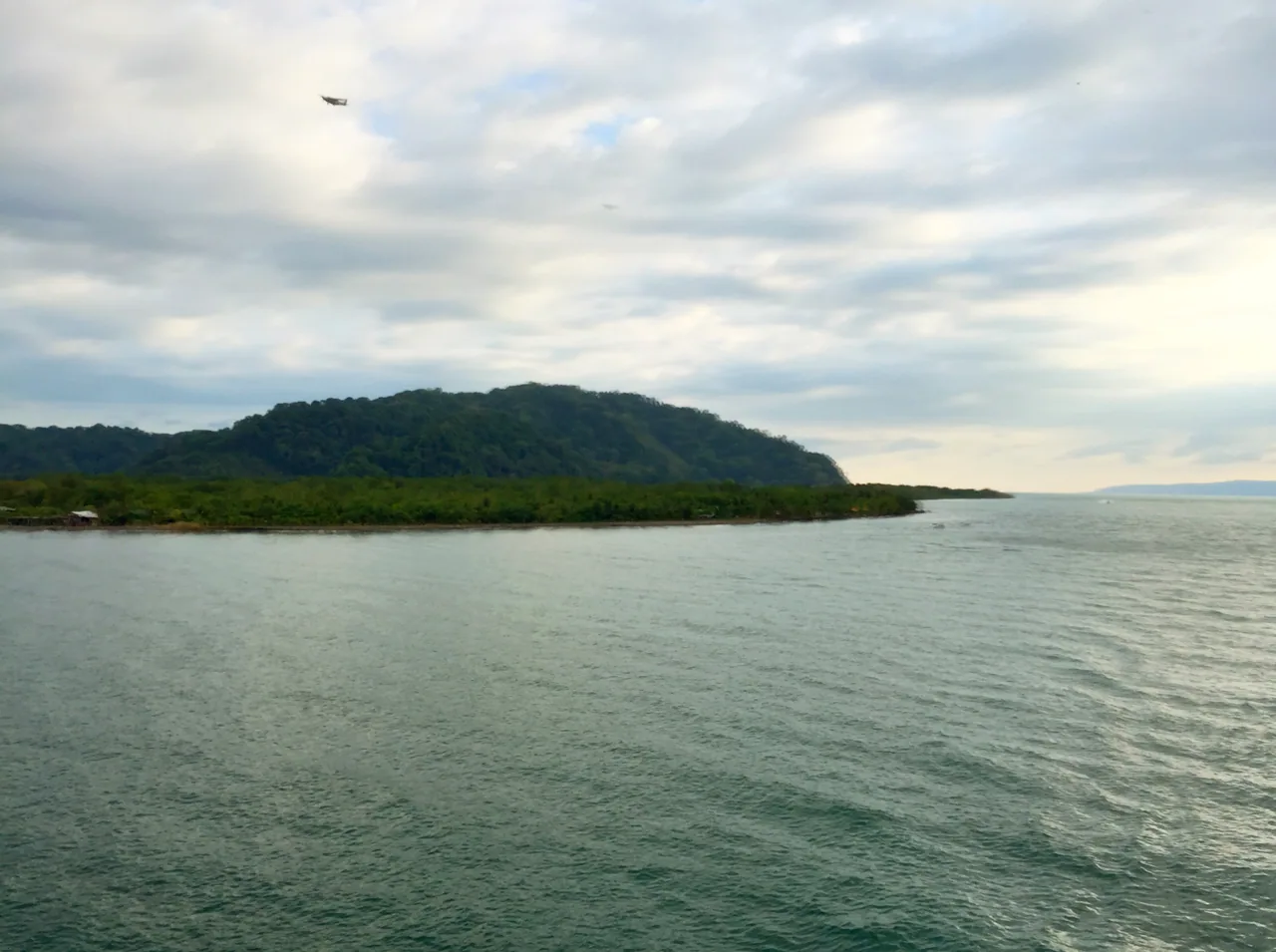
The Osa Peninsula is a remote area where, according to SINAC, Corcovado National Park holds about 2.5% of the planet’s biodiversity. You arrive by boat, small plane or rough roads, and services are limited.

Themed guides

Places grouped by theme, to plan your day.

  • Corcovado sectors and their status

    Each sector has different access, capacity and rules. Check which are open on your dates, especially in October.

    Open the full guide
  • Sea, mangroves and marine life

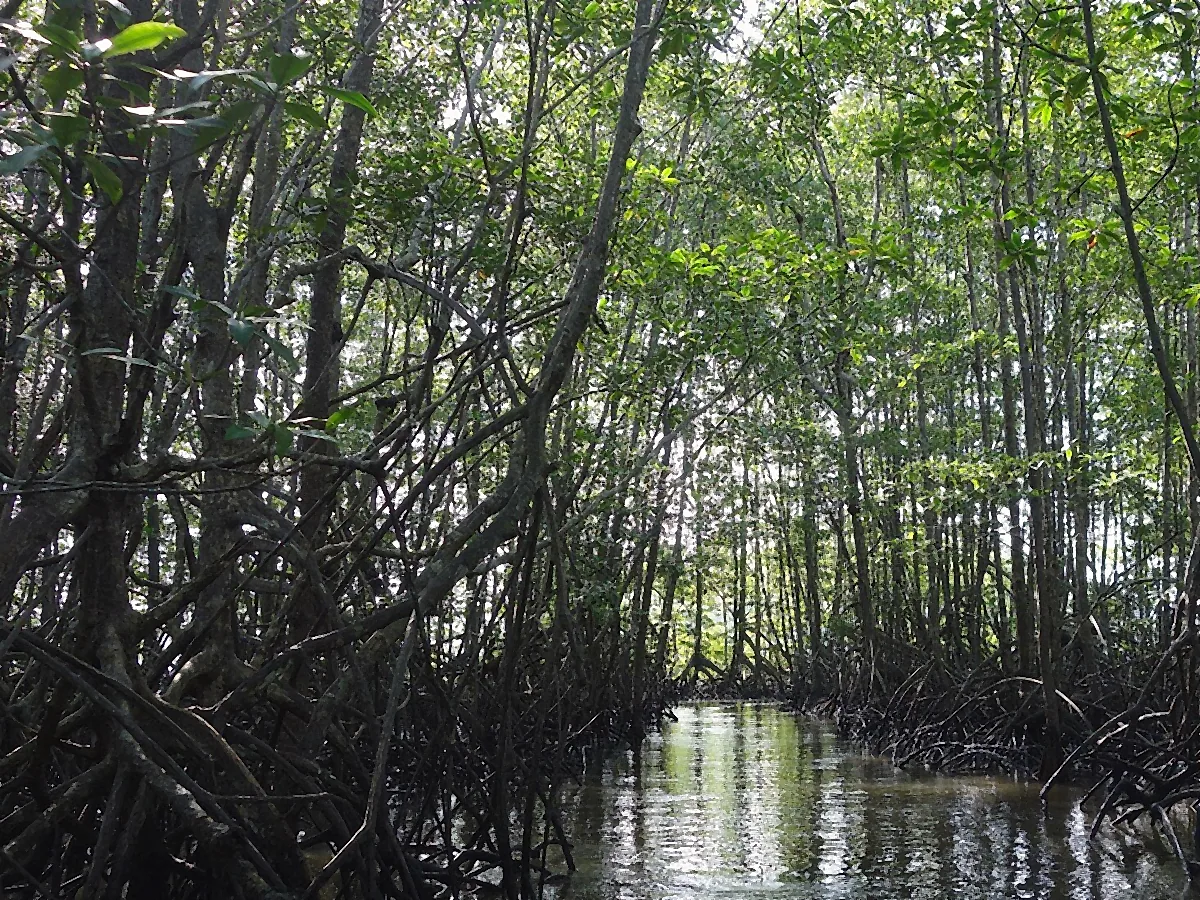
    Boat and kayak trips for snorkelling, whales, dolphins and mangroves from Drake Bay, Sierpe and Puerto Jiménez.

    Open the full guide
  • Free or nearly free in Osa

    Trails, beaches and towns you can explore without paying for a tour.

    Open the full guide
  • Osa at night

    Night walks on private reserves and bioluminescence; walking at night inside Corcovado is not allowed.

    Open the full guide
  • Rappelling, surfing, hikes and waterfalls

    Rappelling, surfing, tough hikes and waterfalls on the peninsula.

    Open the full guide
  • Culture and rainy-day plans

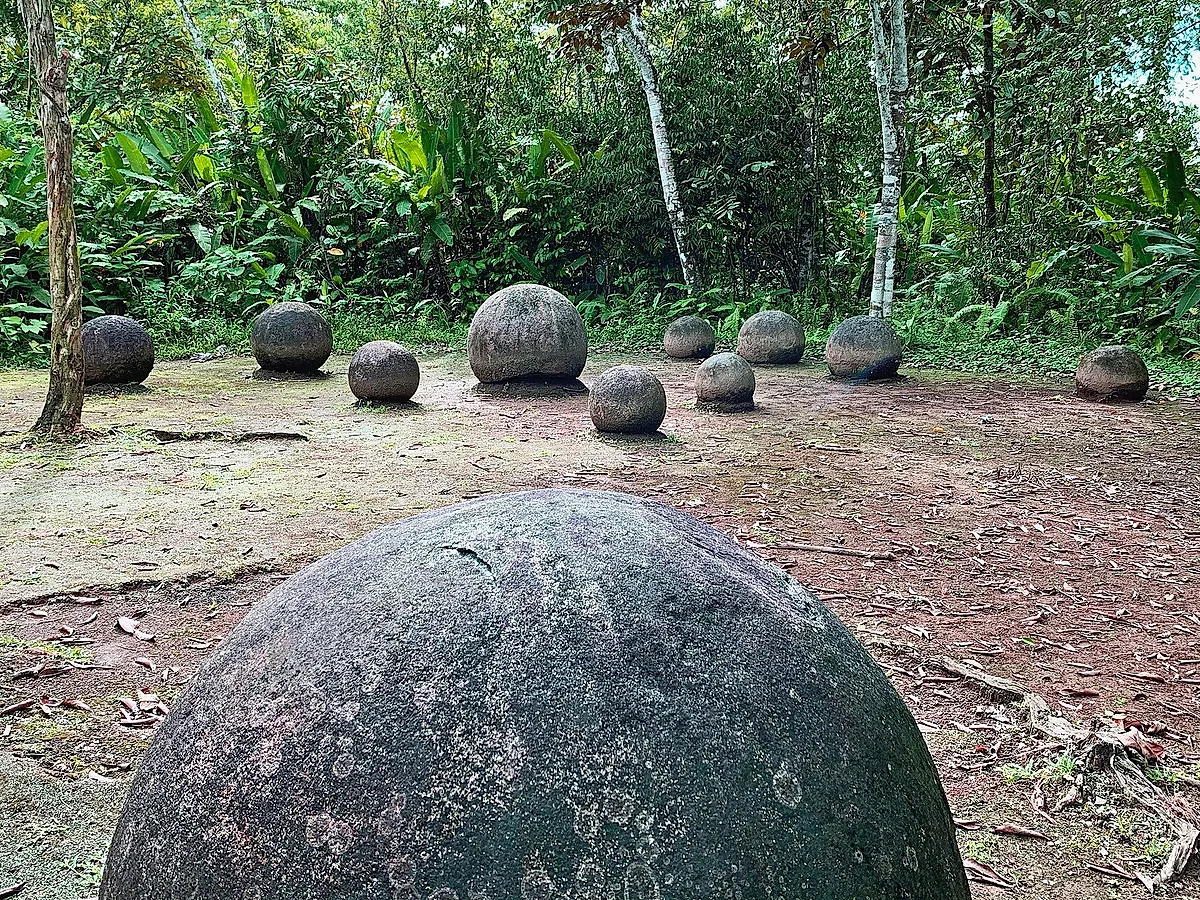
    Pre-Columbian spheres, cacao, wildlife rescue and gulf towns.

    Open the full guide
  • Closed or restricted

    Places with temporary closures, mandatory booking or limited access, and what to do instead.

    Open the full guide

Plan your visit

The practical information you need to plan your visit

The essentials

Best time to go
The dry season runs from mid-December to mid-April (SINAC): trails and river crossings are easier and the sea is calmer. From mid-April to mid-December it rains: about 3,500 mm a year on the coast and about 5,500 mm in the mountains, with October and November the wettest. October is a special case because of park closures.
Getting there
It is about 374 km to Puerto Jiménez (about 7 h by road) and about 300 km to Sierpe, from where you reach Drake Bay by boat in 1 h to 1 h 30. SANSA flies to Drake Bay and Puerto Jiménez in about 50 minutes. Beyond Puerto Jiménez and overland to Drake Bay you need a 4x4.
  1. SINAC states that Corcovado holds about 2.5% of the world’s biodiversity. It was created on 24 October 1975, has 42,560 land hectares and 3,354 marine hectares, a maximum elevation of 782 m and six visitor sectors: San Pedrillo, Sirena, La Leona, Los Patos, Los Planes and El Tigre.
  2. SINAC notes tapirs on the beach, herds of peccary and bull sharks entering the Sirena river at high tide; the Sirena sector has about 20 km of trails and a river pool.
  3. Crossing from Los Patos or La Leona to Sirena is a multi-day route: SINAC recommends about three days for the full Patos-Sirena-Leona traverse, or one-day visits to chosen stretches.
  4. The Caño Island Biological Reserve lies about 16 km northwest of the peninsula, with 320 land and 5,800 marine hectares (SINAC): one of the largest and best-preserved coral formations on Costa Rica’s Pacific coast, with remains of pre-Columbian stone spheres and humpback whales and dolphins.
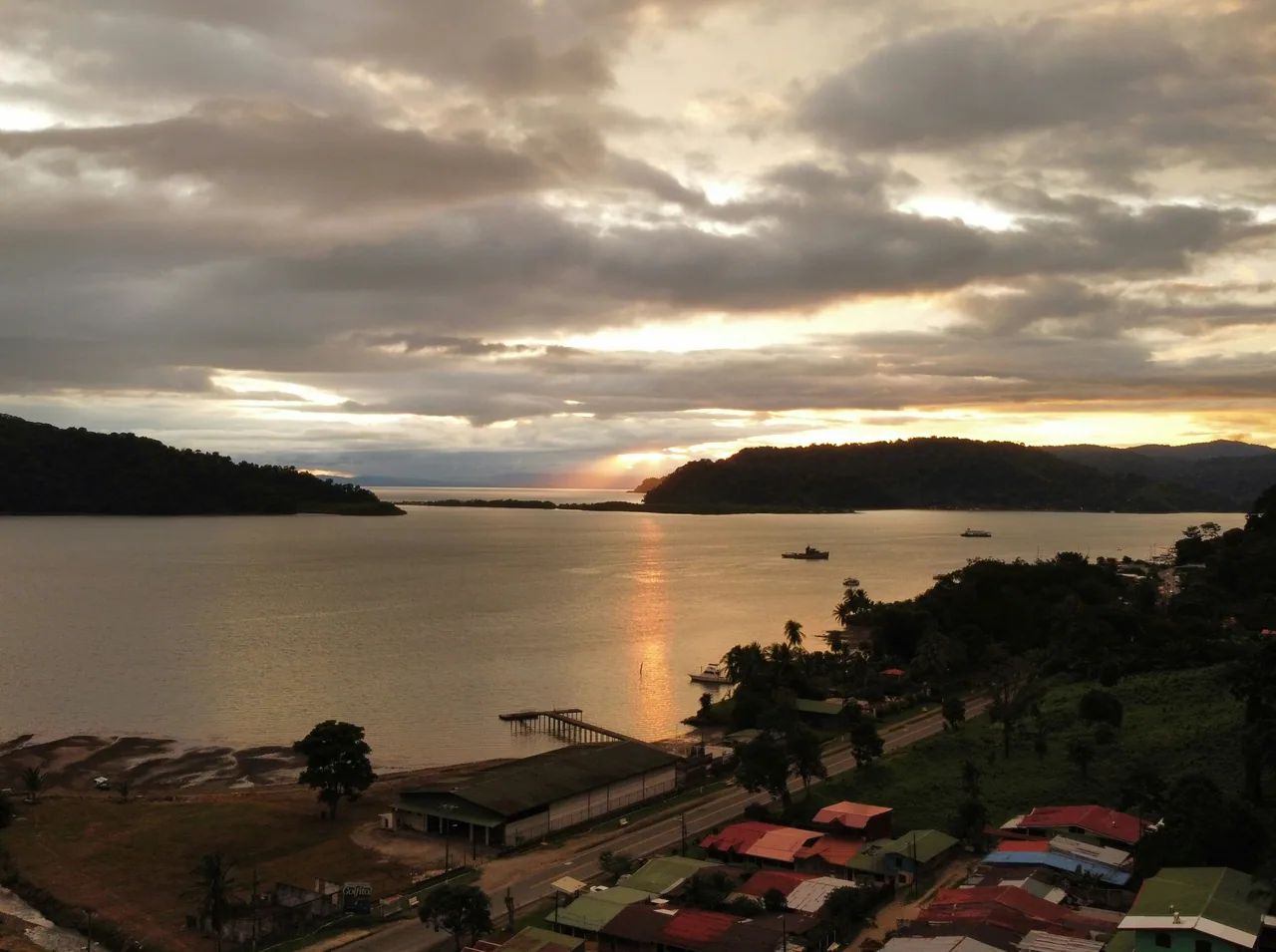
  5. Drake Bay (Agujitas, with about 1,000 residents) is on the north coast of the peninsula. Ecotourism has been its main economy since about 1990.

Where to stay

Drake Bay (Agujitas and beach lodges)
A remote bay reached by boat, small plane or rough road, with lodges along the coast. A base for San Pedrillo, Sirena day trips and Caño Island, if you accept transfers and limited services.
Puerto Jiménez
The largest town on the peninsula, with the bus terminal, airstrip, clinic and shops. A base for Carate and La Leona, Los Patos and the Matapalo coast; suits independent or budget travellers.
Carate and La Leona
A beach hamlet at the end of the road, a short beach walk from the La Leona ranger station. Reached by 4x4 or by colectivo from Puerto Jiménez.
Sierpe
The river gateway where Drake Bay boats depart; Tracopa has an office and buses from San José. Good for a night before an early or late boat.

Tips and precautions

  1. Corcovado requires a prior reservation by email to SINAC, up to six months ahead, with groups of at most 10 visitors plus one guide and payment by bank deposit after approval. Tour operators usually handle this; it is not sold online.
  2. SINAC’s rule says visitors enter “preferably” with a registered guide, and that one is mandatory on the trails from La Leona to Sirena and from Los Patos to Sirena. Many operators and 2026 guides say a guide is required across the park, so plan with one.
  3. The park is open daily from 7:00 to 15:00. For October 2026, according to a SINAC-ACOSA resolution reported in the press, only San Pedrillo and La Leona stay open, while Sirena, Los Patos and El Tigre close. The 2022 policy closed the whole park from 1 to 31 October.
  4. At Caño Island you must book and pay in advance, at most 8 days ahead, and entry is only with a local guide registered with ACOSA. The snorkel zone holds at most 10 people at a time, and single-use plastic, picnics and drones are not allowed.
  5. Bring quick-dry clothes, closed shoes or rubber boots, a hat, sunscreen and waterproof bags for your phone and passport. Boat times to San Pedrillo and Sirena depend on the tide and sea state, and the landing at Drake Bay is a wet one.
  6. The Costa Rican Tourism Board (ICT) issues general, local and specialised tour-guide credentials and publishes a list of guides on its website. That list lets you look up your guide’s credential.

Safety and precautions

  • Medical access is remote: the nearest hospital for southern Osa is Hospital Dr. Tomás Casas Casajús in Ciudad Cortés, reached after a boat and road transfer from Drake Bay; Puerto Jiménez has a CCSS clinic. Buy travel insurance with medical evacuation.
  • SINAC prohibits swimming at Corcovado beaches because of strong currents and warns that bull sharks and crocodiles use the Sirena river mouth at high tide.
  • There are snakes and other dangerous wildlife: wear boots, follow the guide and do not stray from the group. Heat, dehydration and river crossings are the practical risks.
  • Boat crossings from Sierpe and to Caño can be rough, especially in the rainy season; captains sometimes wait for a lull in the swell.

Frequently asked questions

Do I need a guide and a reservation for Corcovado?

A reservation is mandatory (email to SINAC, up to six months ahead, payment by bank deposit). SINAC’s rule says a guide is preferred on entry and mandatory on the trails from La Leona to Sirena and from Los Patos to Sirena, but in practice almost all visits are done with a certified guide and most travellers book through an operator.

Is Corcovado open in October?

Mostly not. SINAC’s 2022 policy closes the park all of October, but for October 2026 SINAC-ACOSA said San Pedrillo and La Leona stay open while Sirena, Los Patos and El Tigre close.

How much does Corcovado or Caño Island cost for foreigners?

SINAC lists $16.95 for non-resident adults and $5.65 for children aged 2 to 12 at both, VAT included (at Caño, diving costs $4.52 extra). Some operators still quote $15, which is the older price. You also pay a guide and a boat, whose prices were not verified.

Sources

Information checked in . Prices, hours and rules change: confirm them with the official source before you travel.

  1. SINAC – Parque Nacional Corcovado2026
  2. SINAC – Resolución de reservaciones del PN Corcovado (2022)2022
  3. SINAC – Reserva Biológica Isla del Caño2026
  4. Delfino.cr – Corcovado restablece aforo en Sirena2026
  5. Tico Times – Costa Rica restores visitor capacity at Corcovado’s Sirena Station2026
  6. SANSA – Drake Bay2026
  7. Tracopa – Rutas y horarios2026
  8. Wikipedia – Drake Bay, Costa Rica2026
  9. ICT – Guías de turismo2026

Everything you can do

Closed or restricted places are included and flagged, so you know what to expect.

Showing 34 of 34 · 8 closed or restricted, flagged

Nature and jungle · 19

Sea, beach and reef · 3

Lakes, rivers and waterfalls · 7

Living culture · 4

City and food · 1

Keep exploring Costa Rica