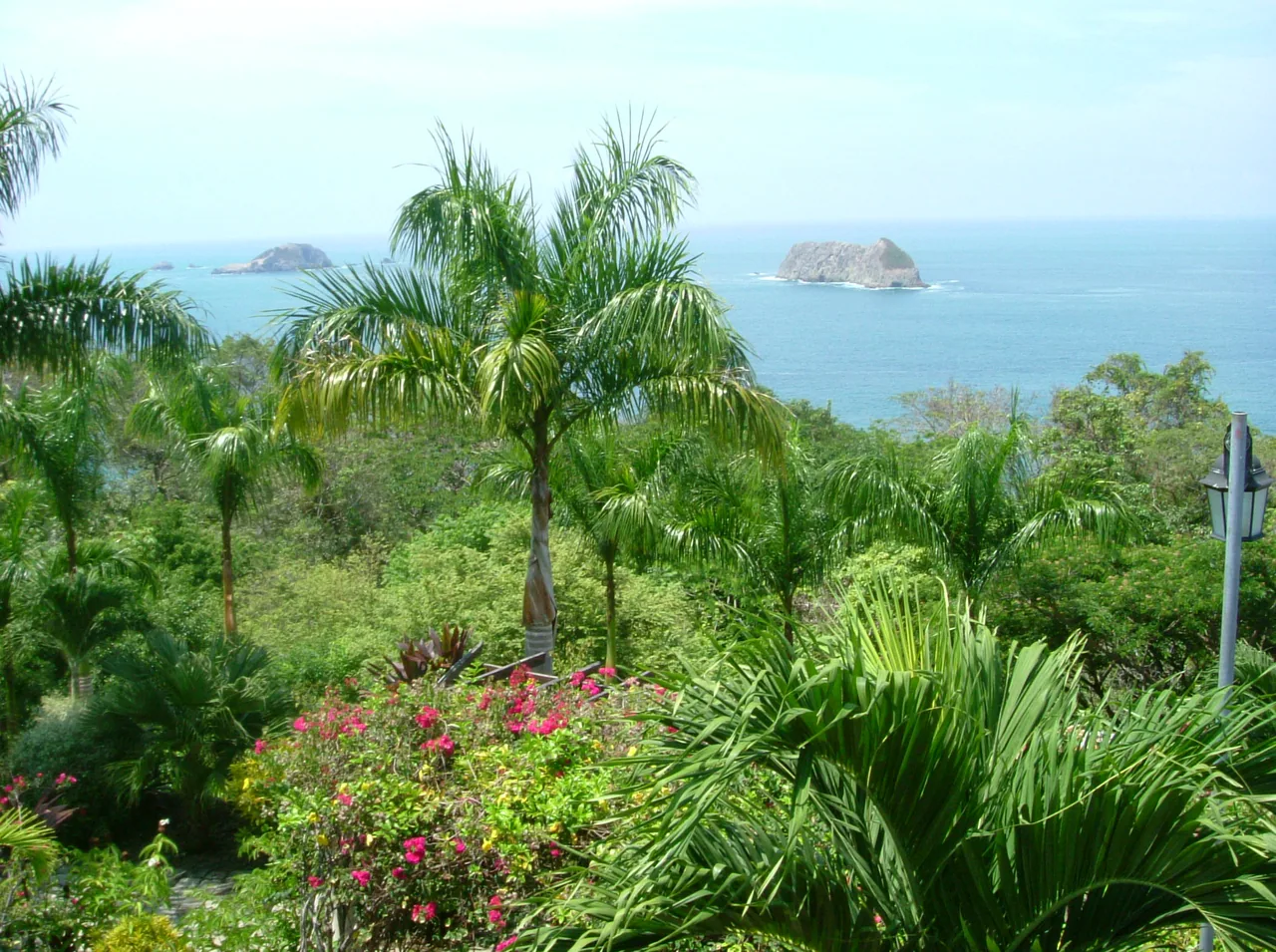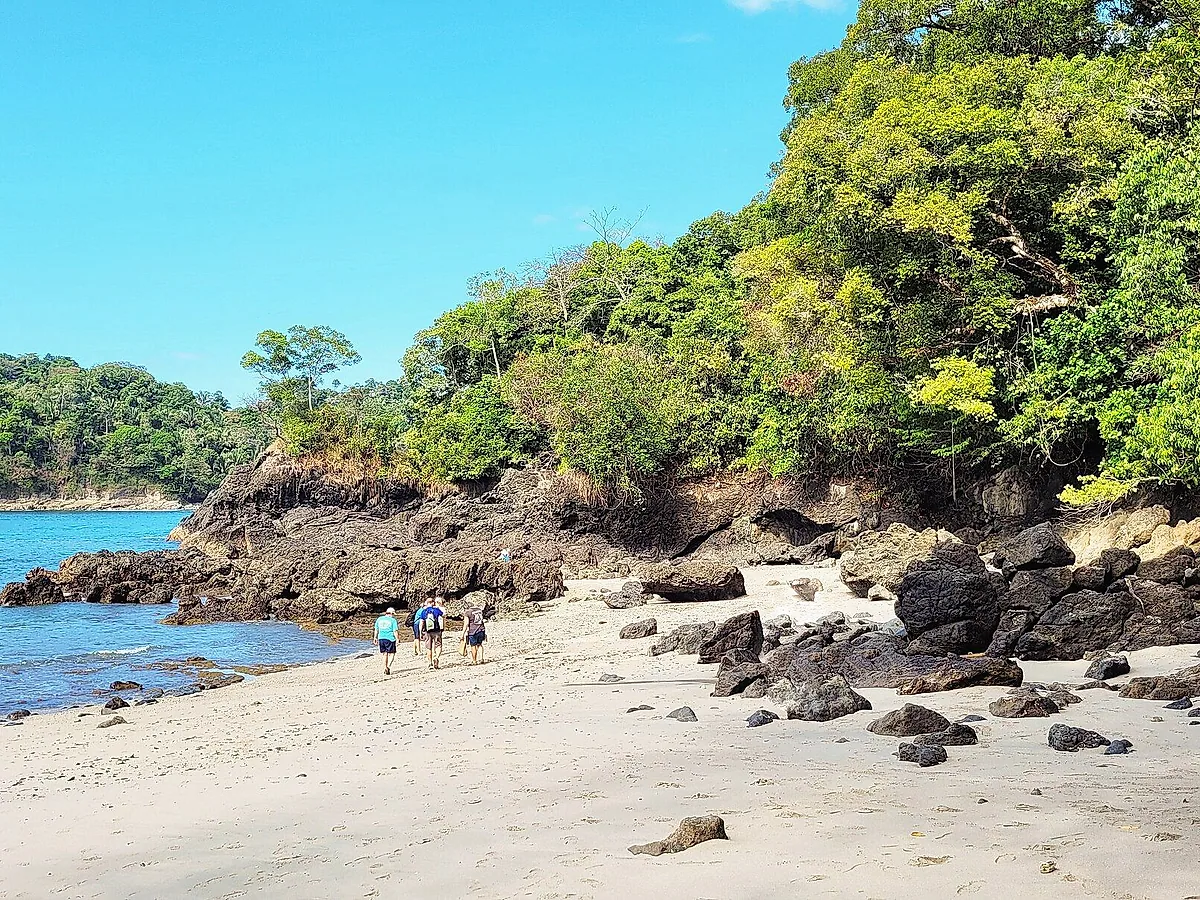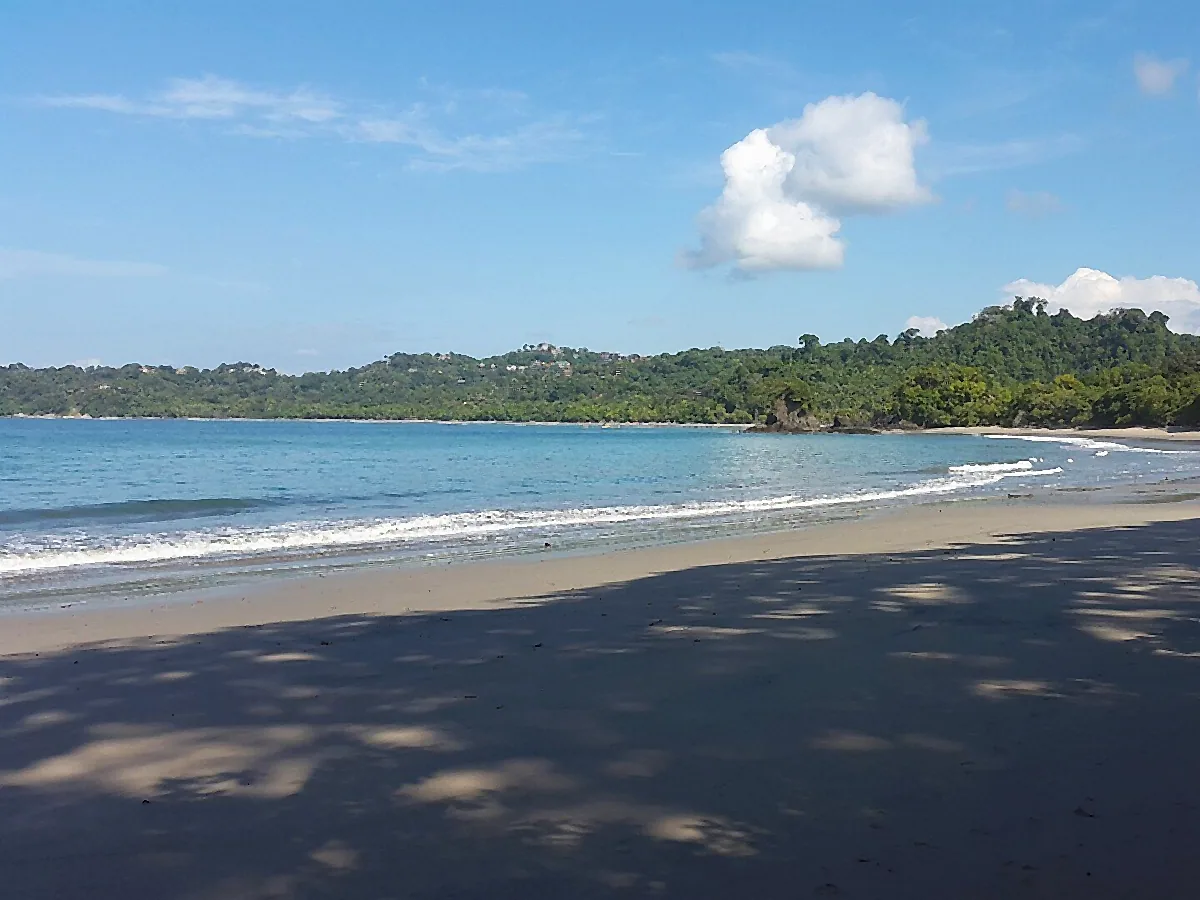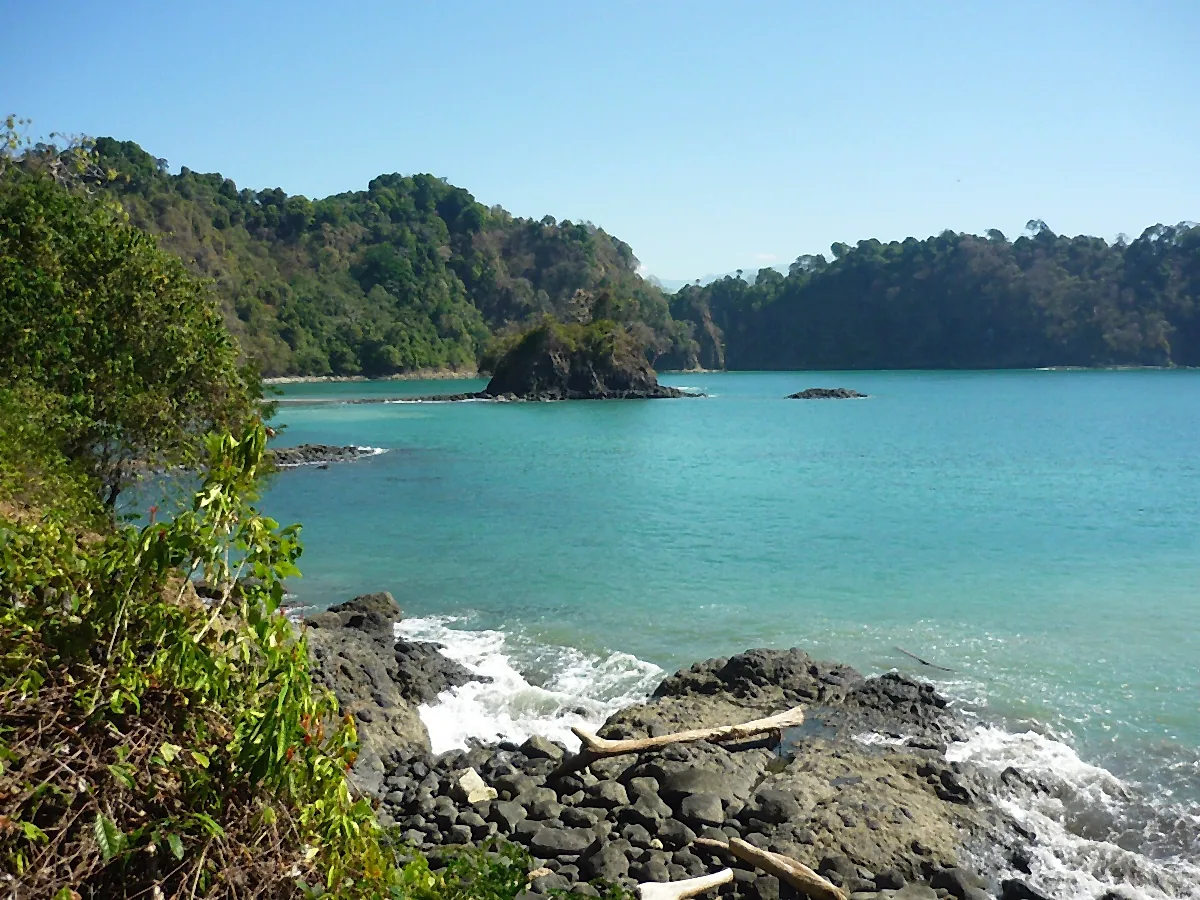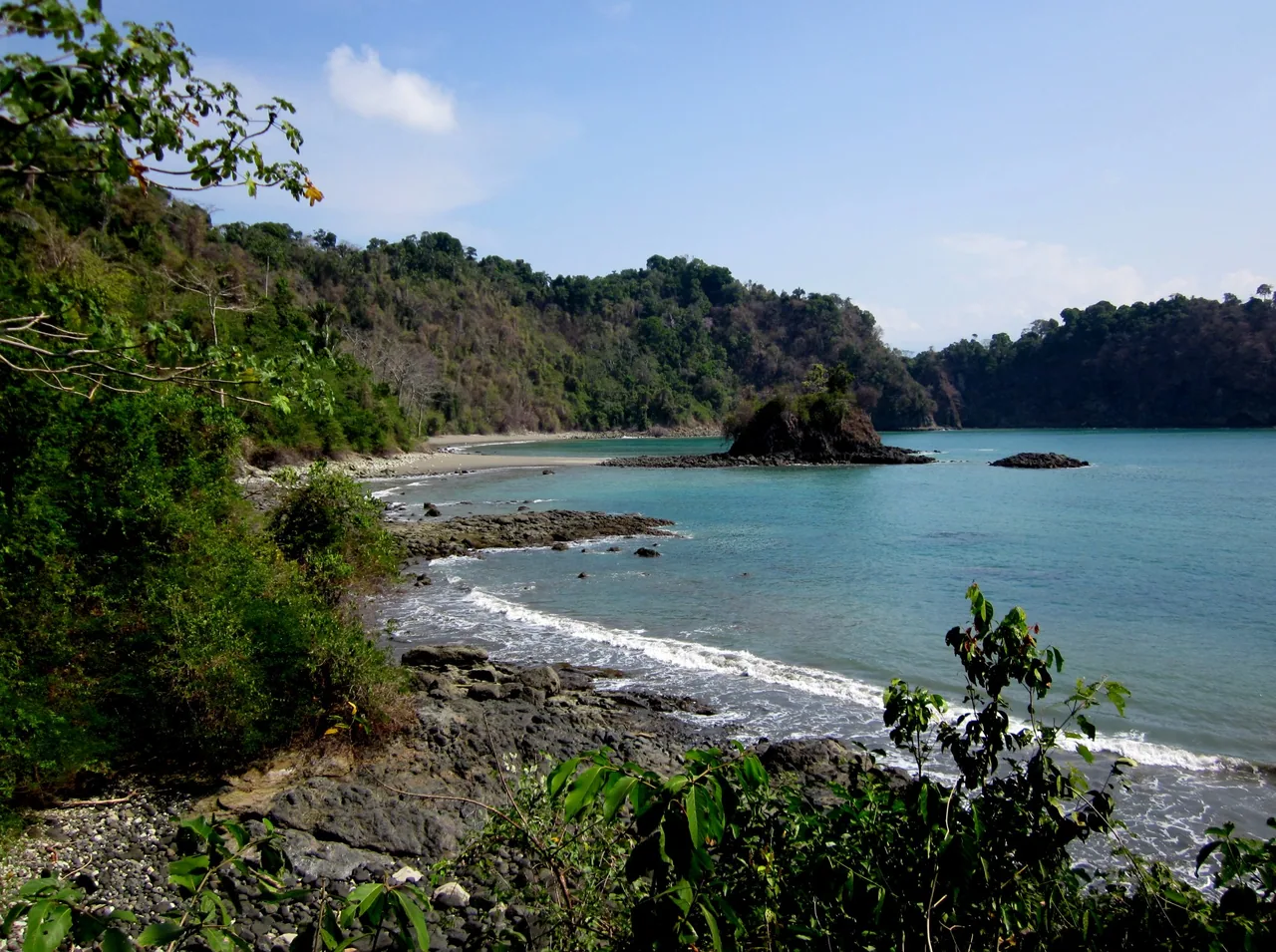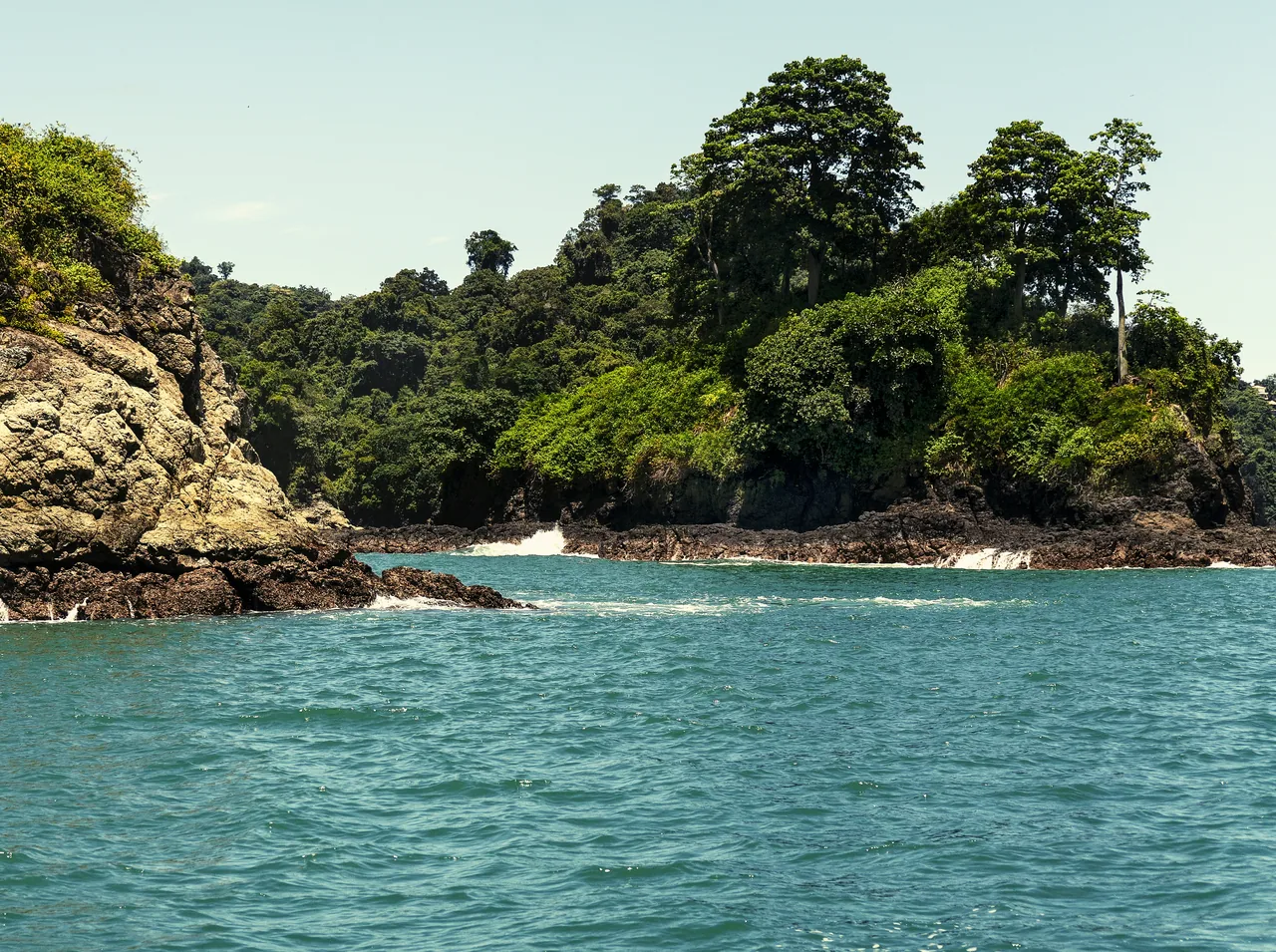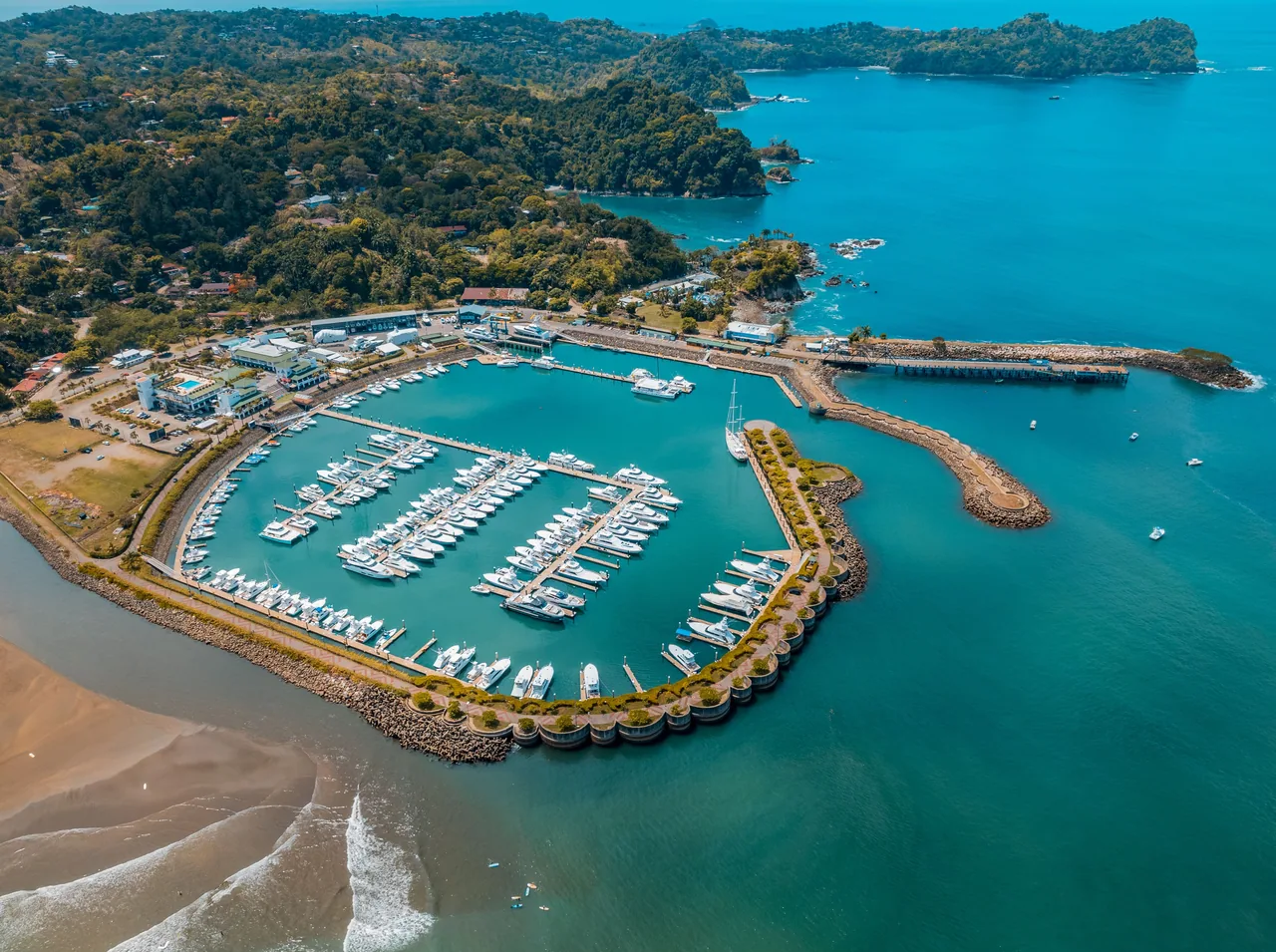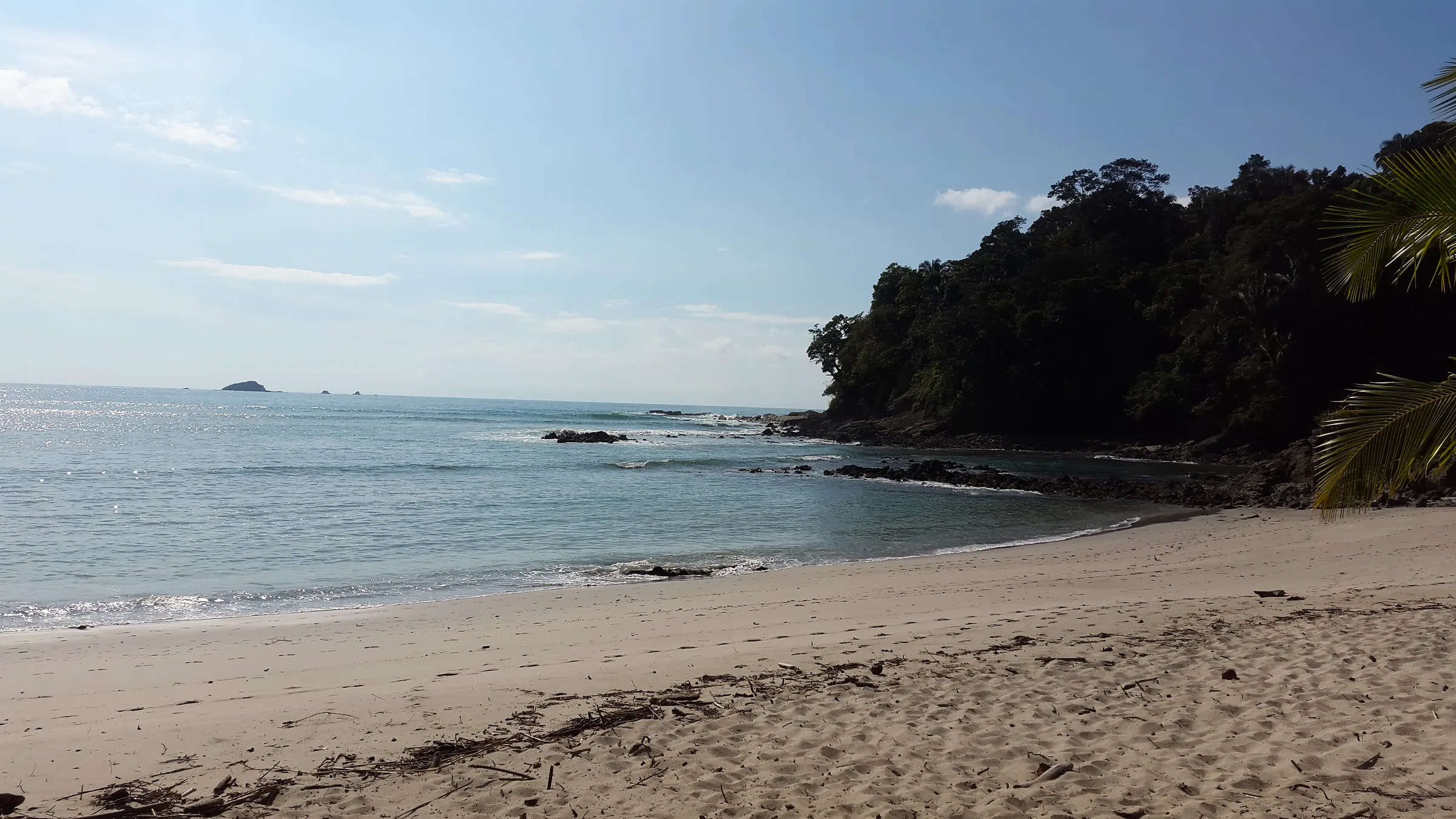
Aerial view of Punta Catedral and the rainforest-fringed beaches of Manuel Antonio National Park.

Manuel
Antonio

Rainforest meets the beach

Before you go, understand the place.

Manuel Antonio is a compact national park where rainforest meets pale-sand beaches. SINAC describes it as the protected area that receives the most national and international visitors in Costa Rica.

Our view

Is it worth it?
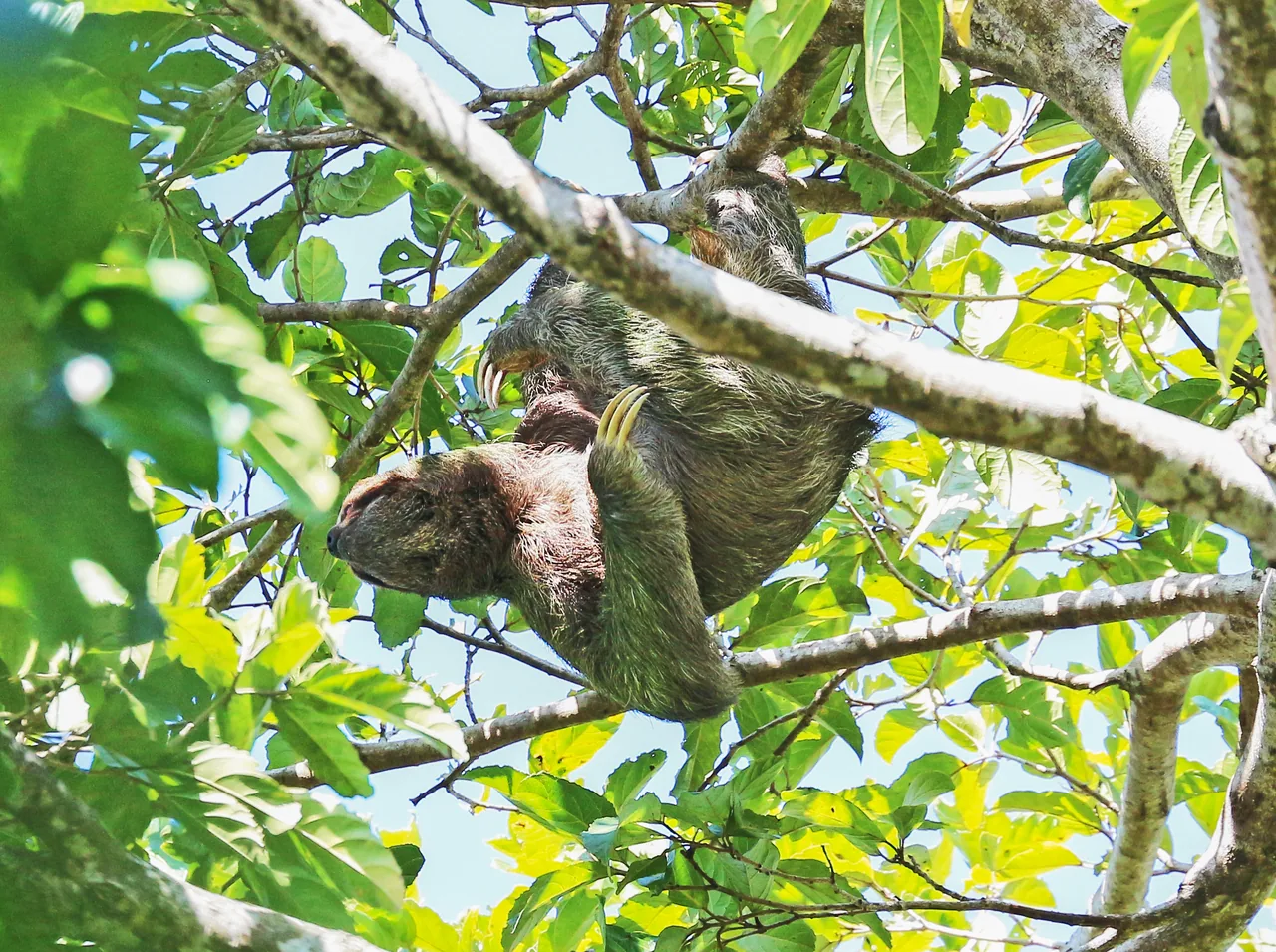
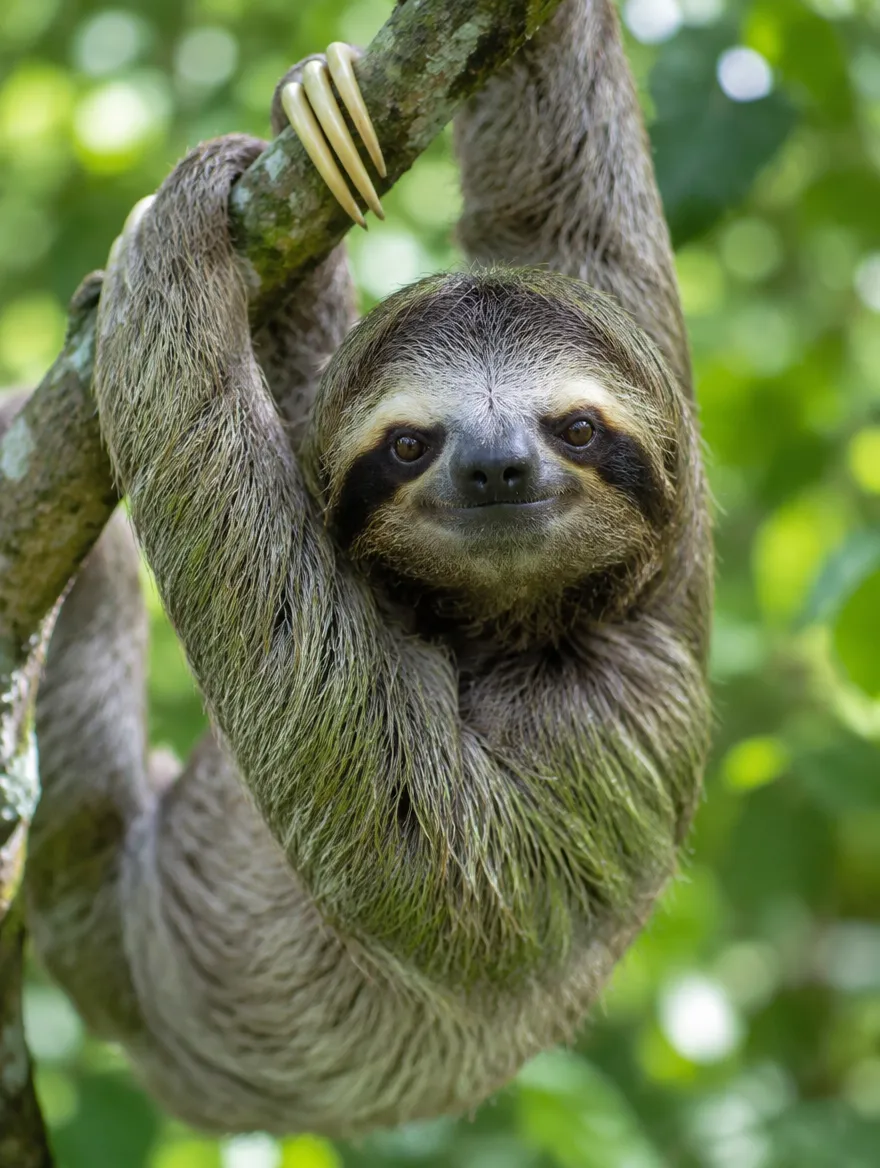
Yes, if you want to see wildlife easily right by the beach: SINAC lists squirrel monkeys, white-faced capuchins, howler monkeys, sloths and some 109 mammal species in a small park. The trade-off is that it is the most visited protected area in the country.
Who it suits
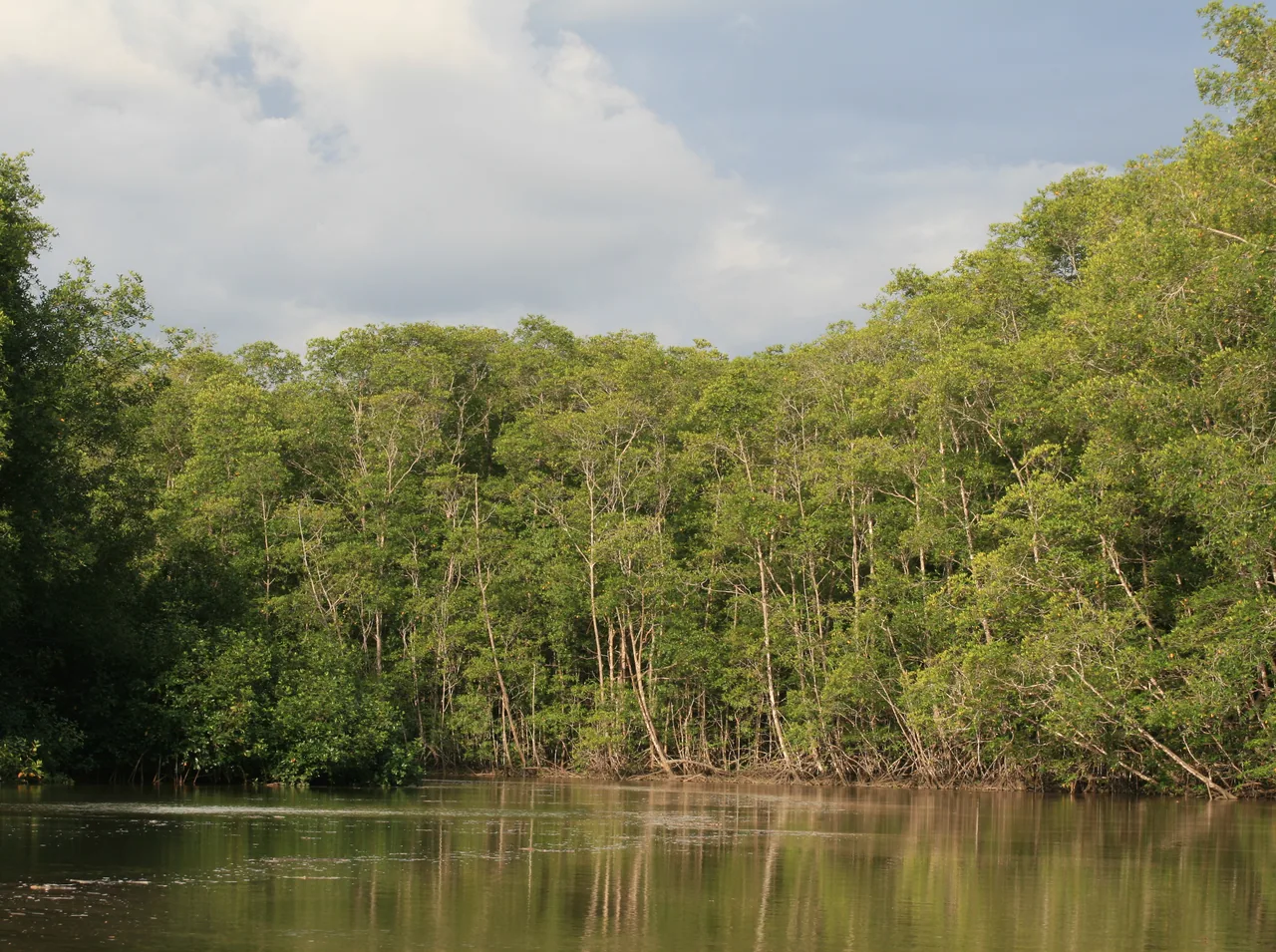
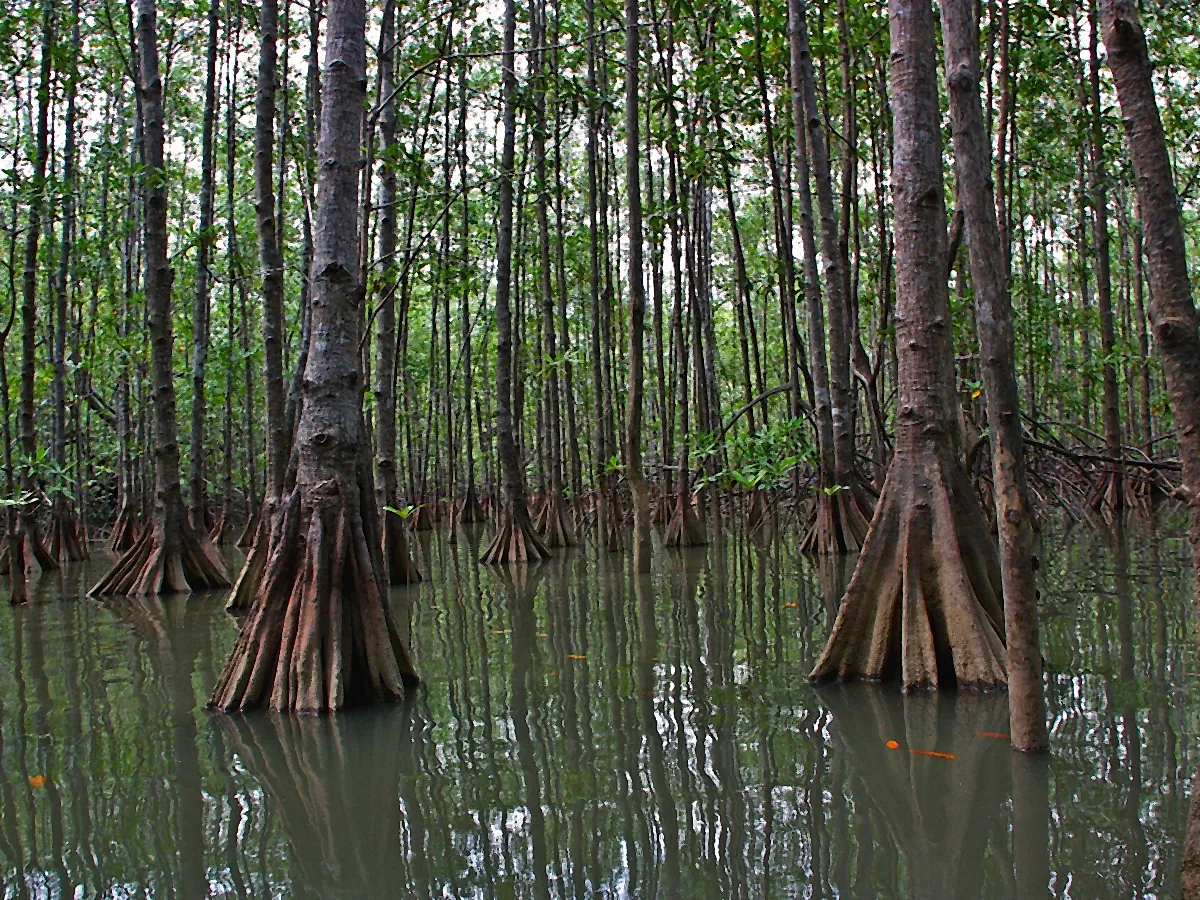
For families and for anyone who does not walk much: the Sloth Trail is flat and suitable for pushchairs and wheelchairs, and outside the park there are mangrove boat trips, kayaking, rafting and catamarans. Less so for those looking for a quiet park or wanting to stay late, as it closes in mid-afternoon and camping is not allowed.
How many days
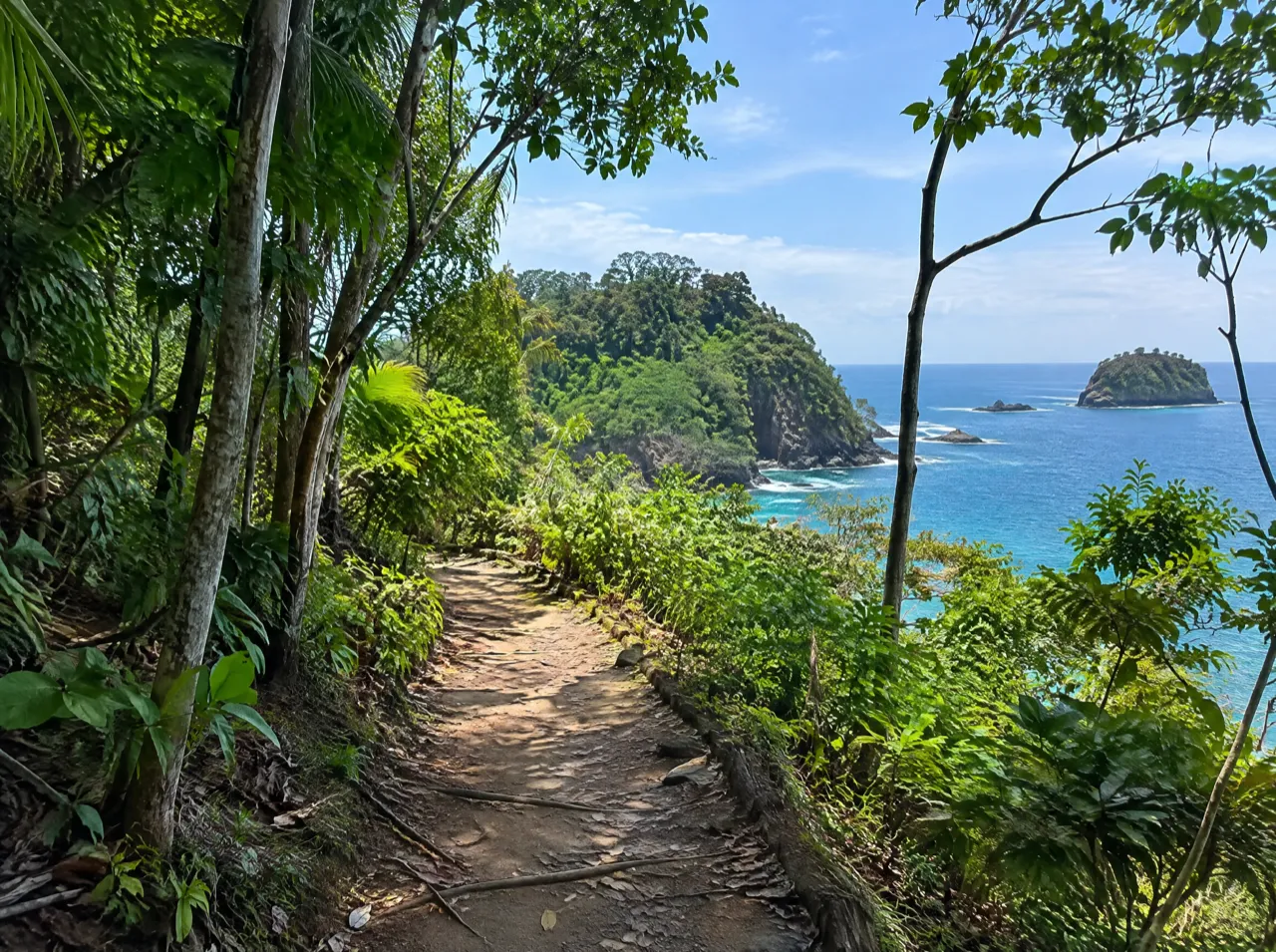
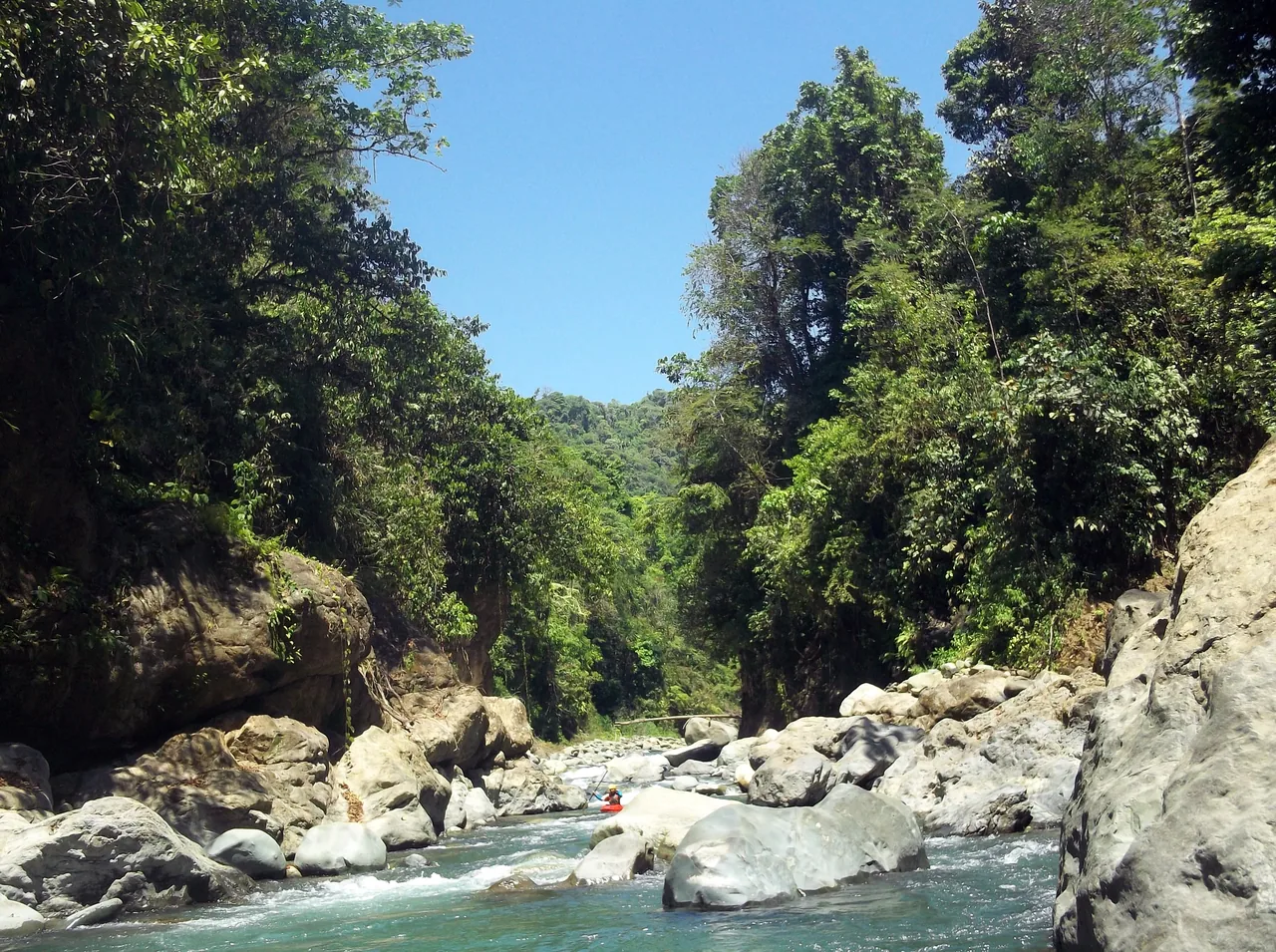
The park fits into one day: it opens from 7 a.m. to 3 p.m. and its trails are short (Punta Catedral, about 1.4 km; the Mirador, about 1.3 km). A second day covers the Isla Damas mangroves, Playa Biesanz or rafting on the Savegre, and it is the natural plan if your stay includes a Tuesday, when the park is closed.
The usual mistake
Arriving without a ticket: they are only sold online through SINAC's system, and resellers show up first in search results. Do not bring food, as bags are checked, and hire a guide only at the entrance, not from people waving you over at the bend before the beach.
If you are short on time
Go in early and climb the Mirador Trail before the heat, do the Punta Catedral loop, stay on Playa Manuel Antonio and head back through the Espadilla Sur mangrove and the Sloth Trail. Sunset from Playa Espadilla, outside the park.

Themed guides

Places grouped by theme, to plan your day.

  • Trails and viewpoints in the park

    All are covered by the same SINAC ticket; pair a forest trail with a beach and leave before closing time.

    Open the full guide
  • Beaches of Manuel Antonio and Quepos

    Inside the park the water is calmer; outside, beaches are free but have bigger surf.

    Open the full guide
  • Activities on water and land

    Rafting, kayaking, catamarans and ziplines; check each river’s season before booking.

    Open the full guide
  • Wildlife beyond the park

    Mangroves, rescue centres and night walks to see animals you won’t meet on the trails by day.

    Open the full guide
  • Plans for Tuesday or a rainy day

    The park closes every Tuesday: these activities still run and several don’t depend on sunshine.

    Open the full guide
  • Free or nearly free

    Public beaches, walks and sunsets that cost nothing.

    Open the full guide
  • Closed, restricted or seasonal

    What you can’t do or only works in certain seasons, and what to do instead.

    Open the full guide

Plan your visit

The practical information you need to plan your visit

The essentials

Best time to go
The dry season runs from mid-December to mid-April: less rain, easier trails and the busiest period. From May to November it rains more; according to SINAC, September and October have the fewest visitors, and the park’s seasonal waterfall is only visible in the rainy season. The park is closed every Tuesday.
Getting there
It is 157 km and 3 to 3.5 h by car from San José via Route 27, Orotina and the Costanera Sur to Quepos, plus 7 km to the park entrance; the park has no car park of its own. There are direct Tracopa buses (3.5 to 4 h), shuttles and SANSA flights to Quepos of about 30 minutes.
  1. SINAC describes it as the protected area with the most national and international visitors in the country.
  2. It began in 1972 as the Playas de Manuel Antonio National Recreational Park (Law 5100), after local pressure to keep the beaches open to residents.
  3. Its wildlife includes the titi monkey (emblem species), white-faced and howler monkeys, two- and three-toed sloths and about 109 mammal species.
  4. Punta Catedral was once an island and is now joined to the coast by a sand tombolo; its trail has five viewpoints. At low tide you can see an old pre-Columbian fish and turtle trap.
  5. Inside the park are Manuel Antonio beach (good for snorkelling at the sides), Espadilla Sur (wide at low tide and less crowded) and Playa Gemelas, plus a mangrove and a seasonal waterfall.

Where to stay

Quepos
A working town about 7 km from the park entrance, with the bus terminal, supermarkets, banks and a marina; it has no resort feel. Suits budget travellers or those using buses.
Manuel Antonio road
Hotels and villas on forested slopes, many with sea views, between Quepos and the park. You need a car, taxi or the local bus to reach the beaches and the park.
Playa Espadilla strip and park entrance
Beach, restaurants and tour offices within walking distance of the park, with the most traffic and noise in high season. Works if you have no car.

Tips and precautions

  1. The park is closed on Tuesdays and open Wednesday to Monday; SINAC lists 7:00 to 15:00 (some sites say until 16:00). Lockers are open from 7:00 to 16:00.
  2. Tickets are sold only online through SINAC’s system (serviciosenlinea.sinac.go.cr); beware of sites that rank first in searches, because they may be resellers. Arrive at the time you chose.
  3. Non-resident foreign adults pay $18.08 and children aged 2 to 12 pay $5.65, VAT included; under-2s are free. According to SINAC’s portal, 24 August (National Parks Day) is free admission, but you still need your ticket from the system.
  4. Food and drink may not be brought in beyond the park’s exceptions, and eating on beaches and trails is not allowed; bags are checked at the entrance. Do not feed the animals.
  5. Wear closed shoes on the trails (SINAC advises against sandals), keep quiet, stay on the marked trails and bring a reusable bottle: there are water refill points. Guides are optional; the official guide association works Wednesday to Monday from 7:00 to 14:00.

Safety and precautions

  • Manchineel trees on the beaches are toxic: do not sit in their shade, touch them or eat the fruit (SINAC).
  • Rip currents are a risk: SINAC says Espadilla Sur has somewhat strong surf in some seasons, and one guide flags rips at Playa Gemelas. Swim where there are lifeguards or flags.
  • Watch your belongings at all times, leave nothing in sight in the car and avoid unofficial parking or ticket sellers; rangers wear SINAC-logo uniforms. The US State Department (level 2, 2 April 2026) cites petty crime and rip currents nationwide.
  • Heat and UV are high on the Pacific coast: use sun protection, stay hydrated and avoid midday.

Frequently asked questions

Can I just show up and buy a ticket at the gate?

No. SINAC says tickets are available only on its online platform, so book before you travel. The park is closed on Tuesdays and open Wednesday to Monday, 7:00 to 15:00 according to SINAC.

How much does Manuel Antonio National Park cost for foreigners?

$18.08 for non-resident adults and $5.65 for non-resident children aged 2 to 12, VAT included, according to SINAC. Children under 2 are free.

Do I need a car to visit?

No. Direct Tracopa buses and SANSA flights reach Quepos and Manuel Antonio, and a local bus connects Quepos with the beach by the park entrance. The park has no car park, so a car mainly helps with hotels on the hillside road.

Sources

Information checked in . Prices, hours and rules change: confirm them with the official source before you travel.

  1. SINAC – Parque Nacional Manuel Antonio2026
  2. SINAC – Portal de reservaciones en línea (preguntas frecuentes)2026
  3. Tracopa – Rutas y horarios2026
  4. SANSA – Quepos / Manuel Antonio2026
  5. Wikipedia – Manuel Antonio National Park2026
  6. SINAC – Comunicado: consejos para visitar Manuel Antonio2022
  7. Tico Times – U.S. State Department keeps Costa Rica travel warning2026
  8. Natural Hazards – Coastal drowning in Costa Rica2021

Everything you can do

Closed or restricted places are included and flagged, so you know what to expect.

Showing 39 of 39 · 2 closed or restricted, flagged

Nature and jungle · 20

Sea, beach and reef · 8

Lakes, rivers and waterfalls · 5

Living culture · 3

City and food · 3

Keep exploring Costa Rica