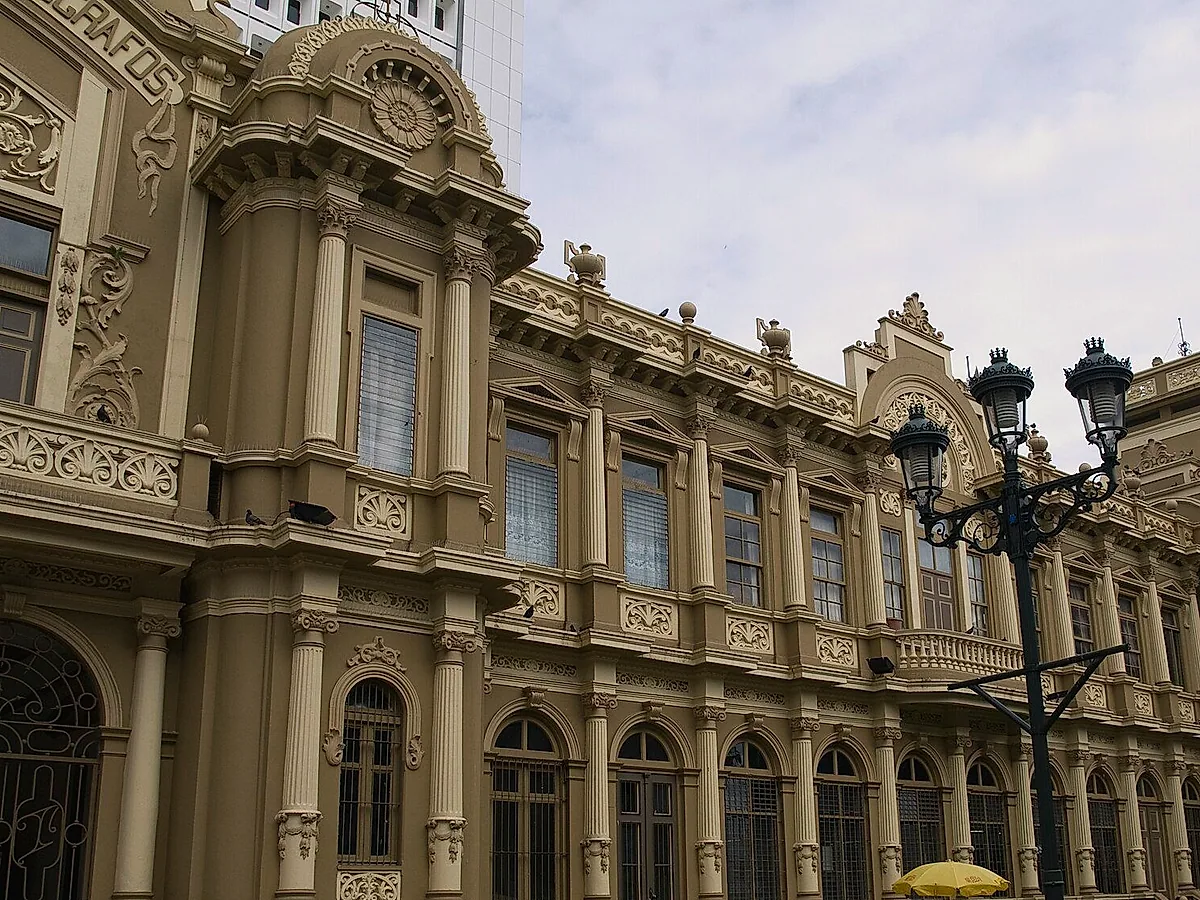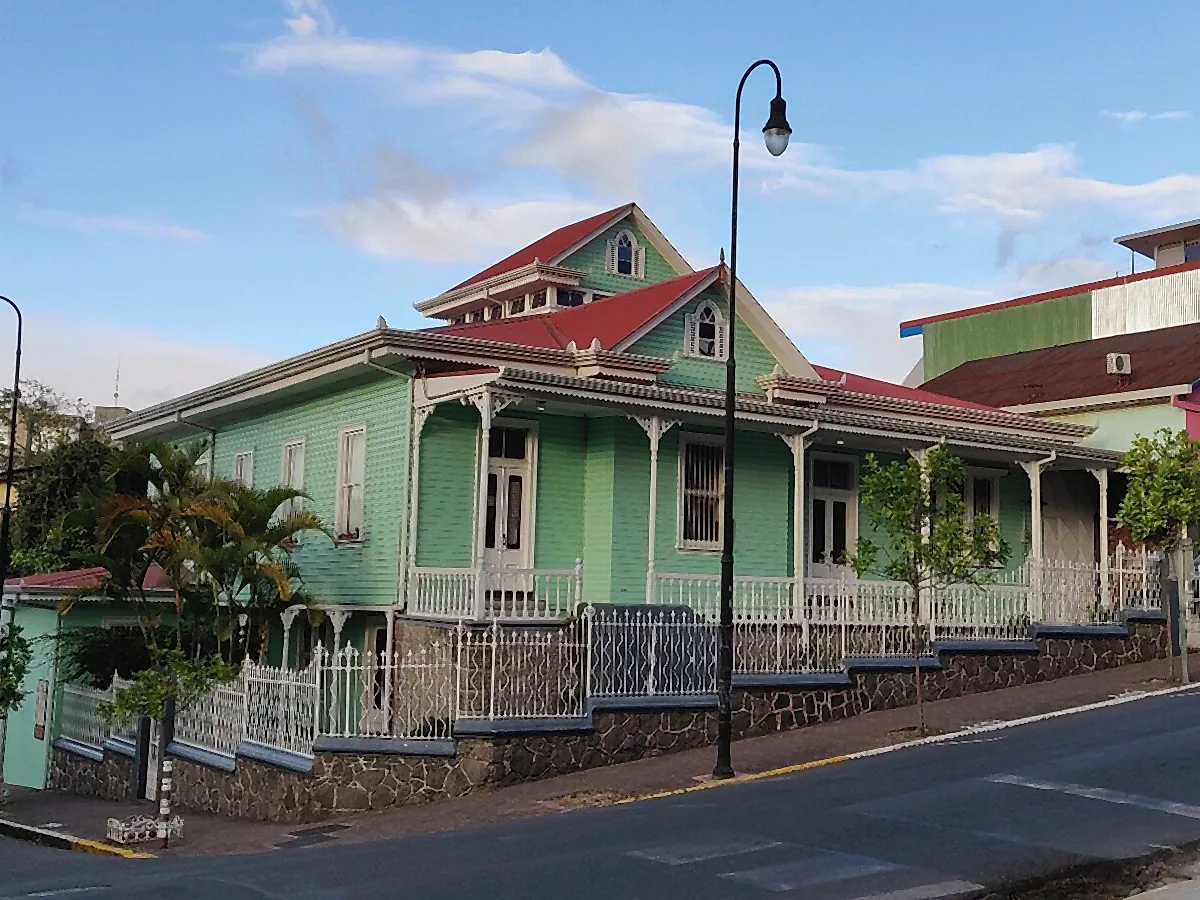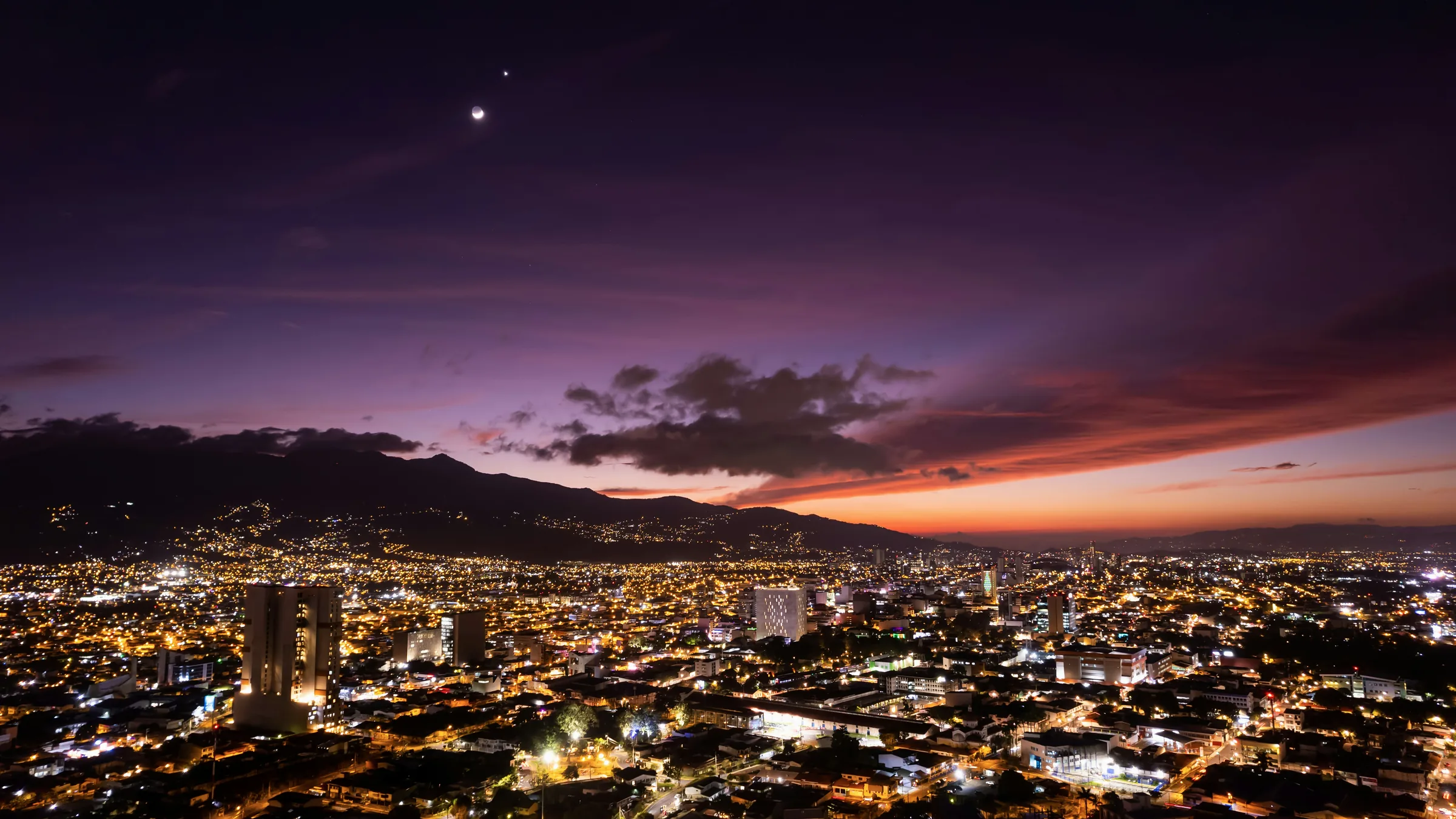
City lights in San José beneath a pink and purple sky.

Costa Rica · Central Valley

San
José.

Museums, markets and good coffee

Photo: César Badilla Miranda

Before you go,
understand the place.

San José is the country’s transport hub: many travellers arrive here, and buses and shuttles leave from here for the rest of Costa Rica. The international airport is in Alajuela, about 20 km from downtown.

Best time to go
The dry season runs from December to April; January is the driest month and September the wettest (about 355 mm). Rain usually falls in the afternoon, and the museums, theatre and market work well at any time of year.
Getting there
San José is the country’s transport hub. Juan Santamaría International Airport is about 20 km northwest, in Alajuela. Use official taxis (red with a yellow triangle; at the airport, the orange ones) and avoid unofficial cars. National buses leave from several terminals scattered around the city.

Seven ways to explore

Themed guides

Places grouped by theme, to plan your day.

  • 12 places

    Museums and theatres in San José

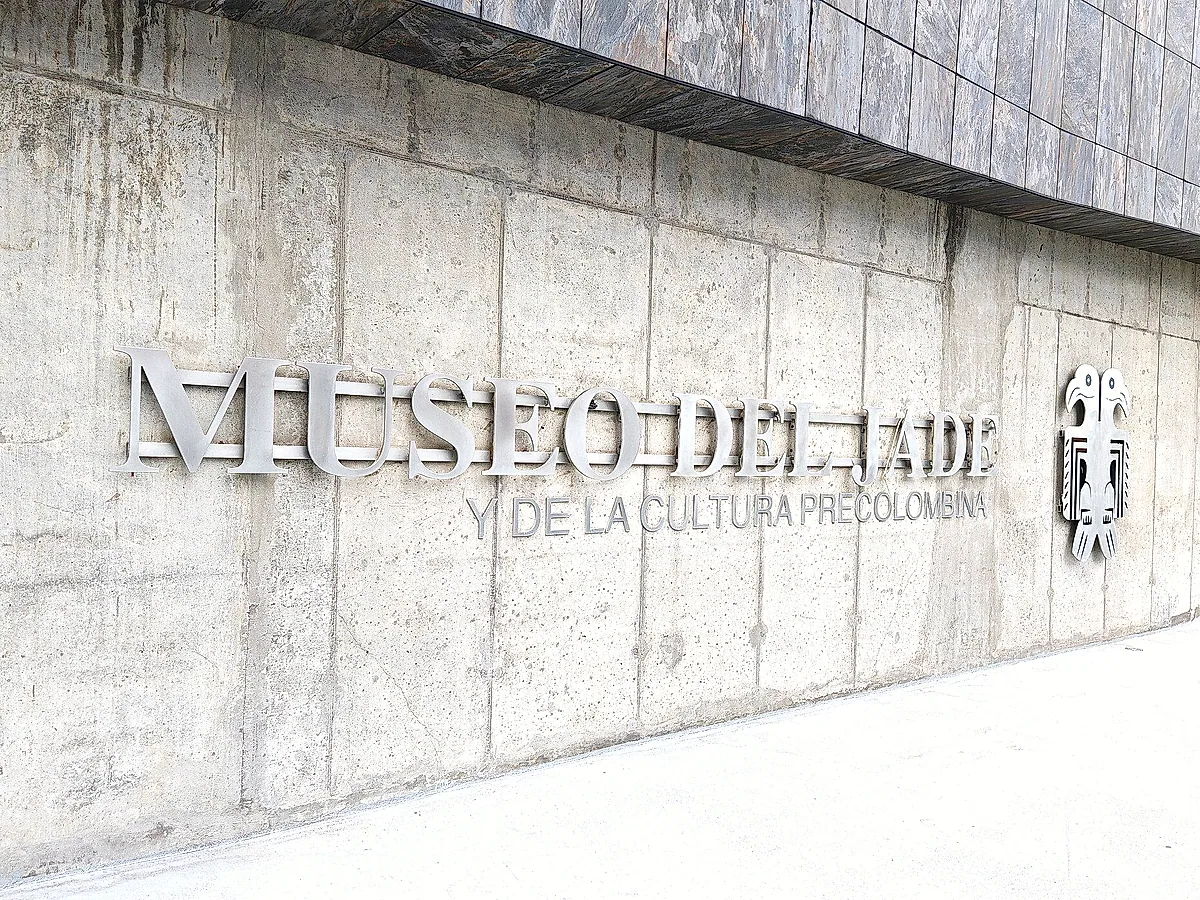
    The capital’s museums cover the country’s pre-Columbian, political and artistic history, and most are within walking distance of the centre. Check closing days: several do not open on Mondays.

    Open the full guide
  • 18 places

    Historic centre walk

    Plazas, churches and heritage buildings in the order of a west-to-east walk, from Avenida Central to Plaza de la Democracia. Do it in daylight.

    Open the full guide
  • 14 places

    Neighbourhoods, markets and food

    Neighbourhoods to walk, traditional markets, farmers’ markets and the city’s coffee and bar scene.

    Open the full guide
  • 31 places · 4 outside this destination

    Free in San José

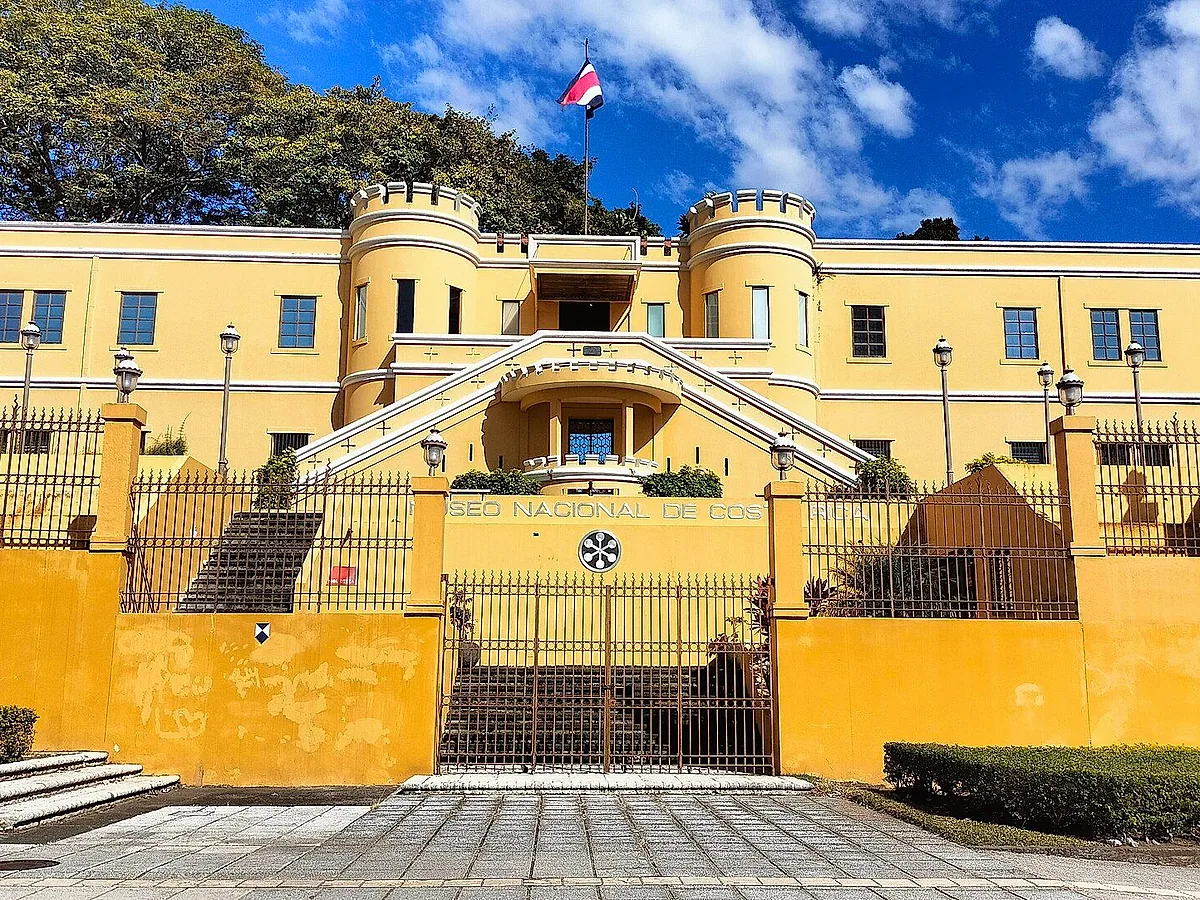
    Museums with free entry, plazas, parks, churches, neighbourhoods and markets you can explore without paying. The National Museum is free at weekends.

    Open the full guide
  • 18 places · 1 outside this destination

    San José on a rainy day

    Indoor plans for the rainy afternoons that are common from May to November: museums, theatres, covered markets and cafés.

    Open the full guide
  • 14 places · 13 outside this destination

    Day trips from San José

    Volcanoes, coffee farms, gardens, colonial towns and rafting rivers one to three hours from the capital, on your own or with a tour. Leave early to beat the clouds and the traffic.

    Open the full guide
  • 9 places · 2 outside this destination

    Closed, restricted or changed

    Places that appear in older guides but are now closed, can only be seen from outside or have limited access, with what to do instead.

    Open the full guide

The place, in context

Everything you can do

Closed or restricted places are included and flagged, so you know what to expect.

Showing 47 of 47 · 7 closed or restricted, flagged

Nature and jungle · 6

Living culture · 33

City and food · 8

San José · Practical guide

The essentials

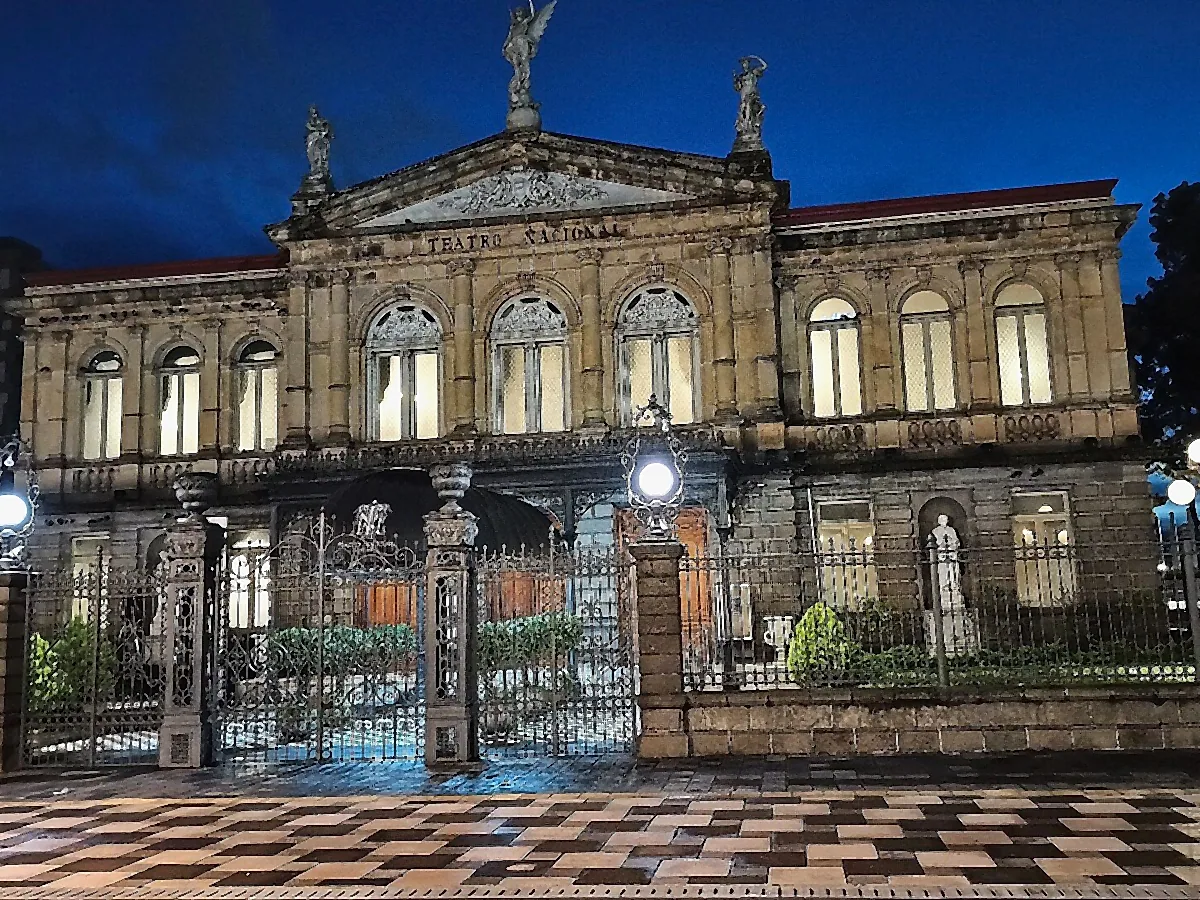
  1. The National Theatre opened on 21 October 1897 with “Faust”. It is neoclassical, seats about 1,140, was partly funded by a coffee export tax and has been a National Monument since 1965.
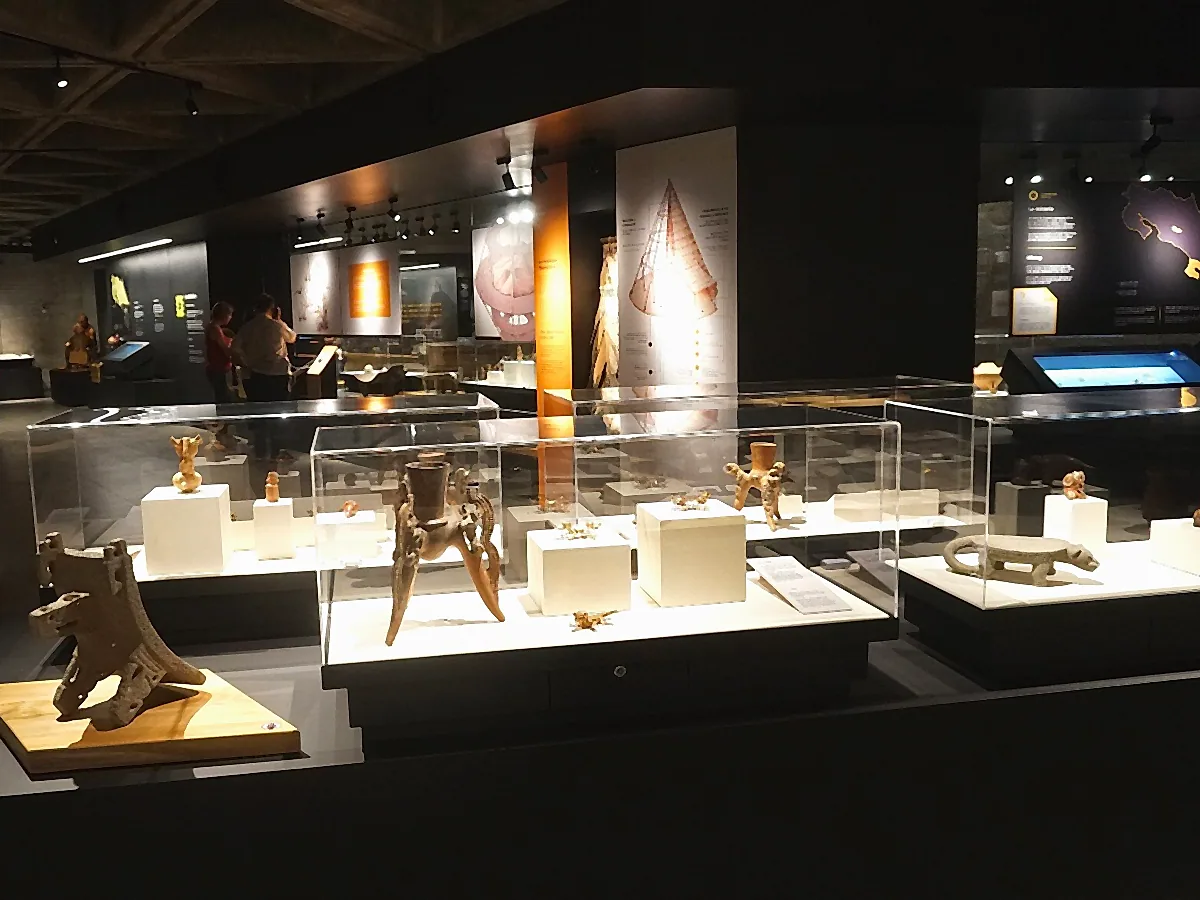
  2. The Pre-Columbian Gold Museum occupies three underground levels beneath Plaza de la Cultura and is run by the Central Bank. It holds about 1,586 gold objects, and the same building has the Numismatic Museum.
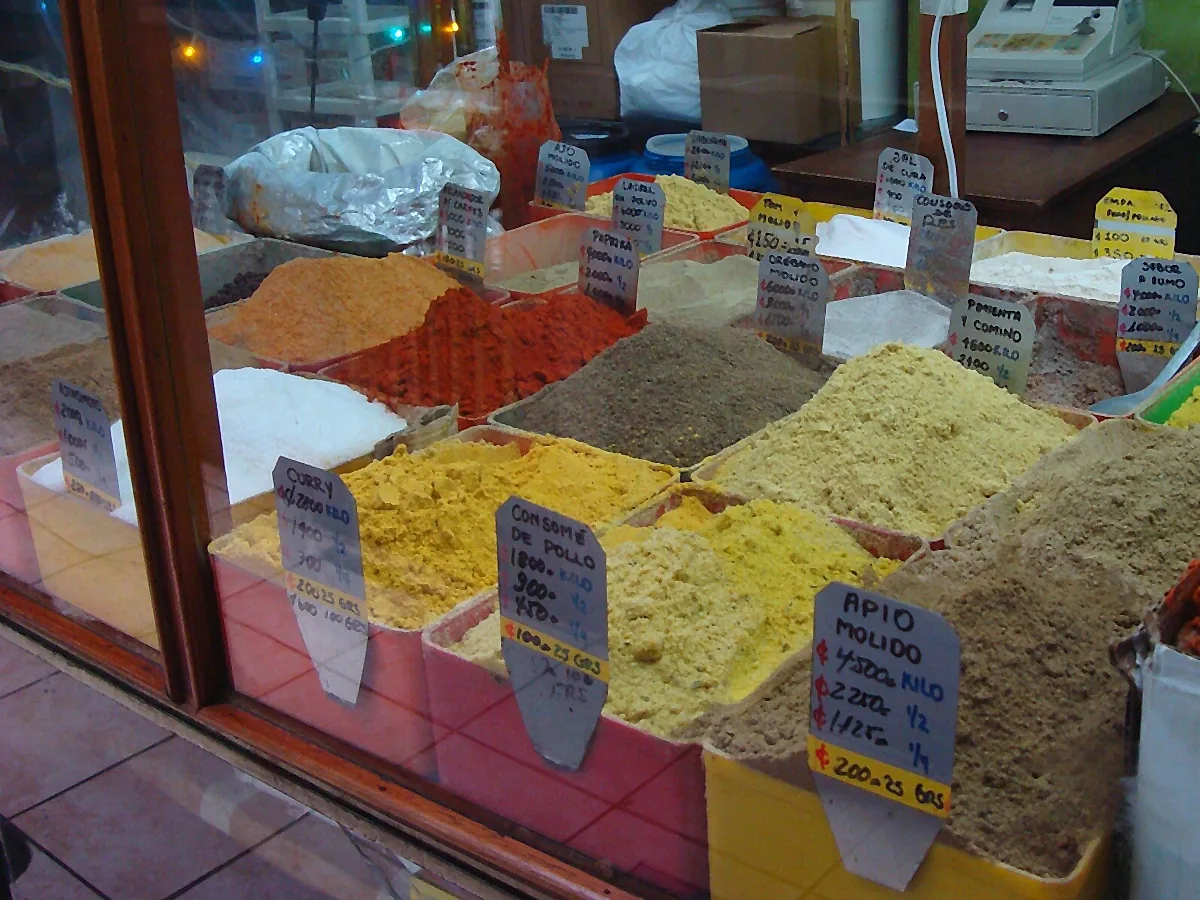
  3. The Central Market dates from 1880, is Cultural Heritage and fills a whole block on Avenida Central between calles 6 and 8, with over 200 stalls, shops and sodas.
  4. Barrio Amón, from the late 19th century and the coffee era, is described as the city’s first modern district. San José has been the capital since 16 May 1823.
  5. Temperatures barely change through the year: October is the coolest month (21.8 °C average) and April the warmest (23.7 °C).

San José · Practical guide

Where to stay

Barrio Escalante, Los Yoses and San Pedro
Eastern neighbourhoods with restaurants, bars, galleries and a student scene. They are walkable and considered relatively safe by day and evening, according to a 2024 guide.
Historic centre and Barrios Amón and Otoya
Old mansions and hotels near the theatre and museums. Very busy on weekdays and quiet at night; petty theft is the main risk.
Escazú and Santa Ana
Residential suburbs in the west with malls and restaurants, considered secure. You need a car or taxi to reach downtown.

San José · Practical guide

Practical tips

  1. National Theatre: guided visits generally run from 9:00 to 16:00, in Spanish and English, with up to 15 people per guide and free entry for children under 12. The theatre discourages shorts and sandals. The official pages disagree on days (every day or Tuesday to Sunday): confirm before you go.
  2. Gold Museum: open daily from 9:00 to 16:30 except announced closures (in 2026, 1, 24, 25 and 31 December, 1 January 2027 and two maintenance days between November and December). Tickets are bought online.
  3. Central Market: the city council lists Monday to Saturday 7:30 to 19:00 and Sunday 8:00 to 18:00, but other sources say it is closed on Sundays, and each soda sets its own hours. Go for lunch before mid-afternoon.
  4. Use official taxis (red with a yellow triangle) or ride apps, and avoid unofficial “pirate” taxis.
  5. Carry only what you need, keep your phone in a front pocket and use ATMs inside banks; watch your bag in markets and near bus terminals.

Safety and precautions

  • Petty theft is the most realistic risk: crowded streets, markets and bus terminals. A 2024 guide names the Coca-Cola terminal area and recommends avoiding Barrio Cuba, Desamparados and Pavas at night.
  • The UK FCDO notes that gang-related violence, including shootings, is more frequent in urban areas. Use official taxis and do not leave valuables inside parked vehicles.
  • Avoid walking alone at night in unfamiliar parts of the centre; by day it is busy and usually calm.

Frequently asked questions

Is it worth spending time in San José?

Yes, for a day: the Gold Museum, the National Theatre and the Central Market are within walking distance and show the country’s history, culture and everyday food. It is also handy for a night after your flight and for day trips to Poás or Irazú.

Is downtown San José safe for tourists?

It is fine to visit by day, but petty theft is common in crowds, markets and near bus terminals, and violence concentrates in specific areas, especially at night. Use official taxis, avoid walking downtown at night, do not display valuables and keep them secure.

How much do the main attractions cost?

National Theatre: ₡3,500 for the guided visit for foreign visitors (children under 12 free). Pre-Columbian Gold Museum: ₡8,800 for foreign adults (₡6,950 for foreign students). Central Market: free to enter; you pay for what you eat or buy. These prices come from official pages checked on 1 October 2026 and can change.

San José · Practical guide

Sources consulted

Information checked in . Prices, hours and rules change: confirm them with the official source before you travel.

  1. Teatro Nacional de Costa Rica – Preguntas frecuentes2026
  2. Teatro Nacional – Visitas guiadas2026
  3. Museos del Banco Central – Museo del Oro Precolombino2026
  4. Municipalidad de San José – Mercado Central2026
  5. Wikipedia – National Theatre of Costa Rica2026
  6. Wikipedia – San José, Costa Rica2026
  7. Government of Canada – Costa Rica travel advisory (crime and safety)2026
  8. UK FCDO – Costa Rica safety and security2026
  9. Costa Rica Vibes – Is San José safe?2024

Other destinations