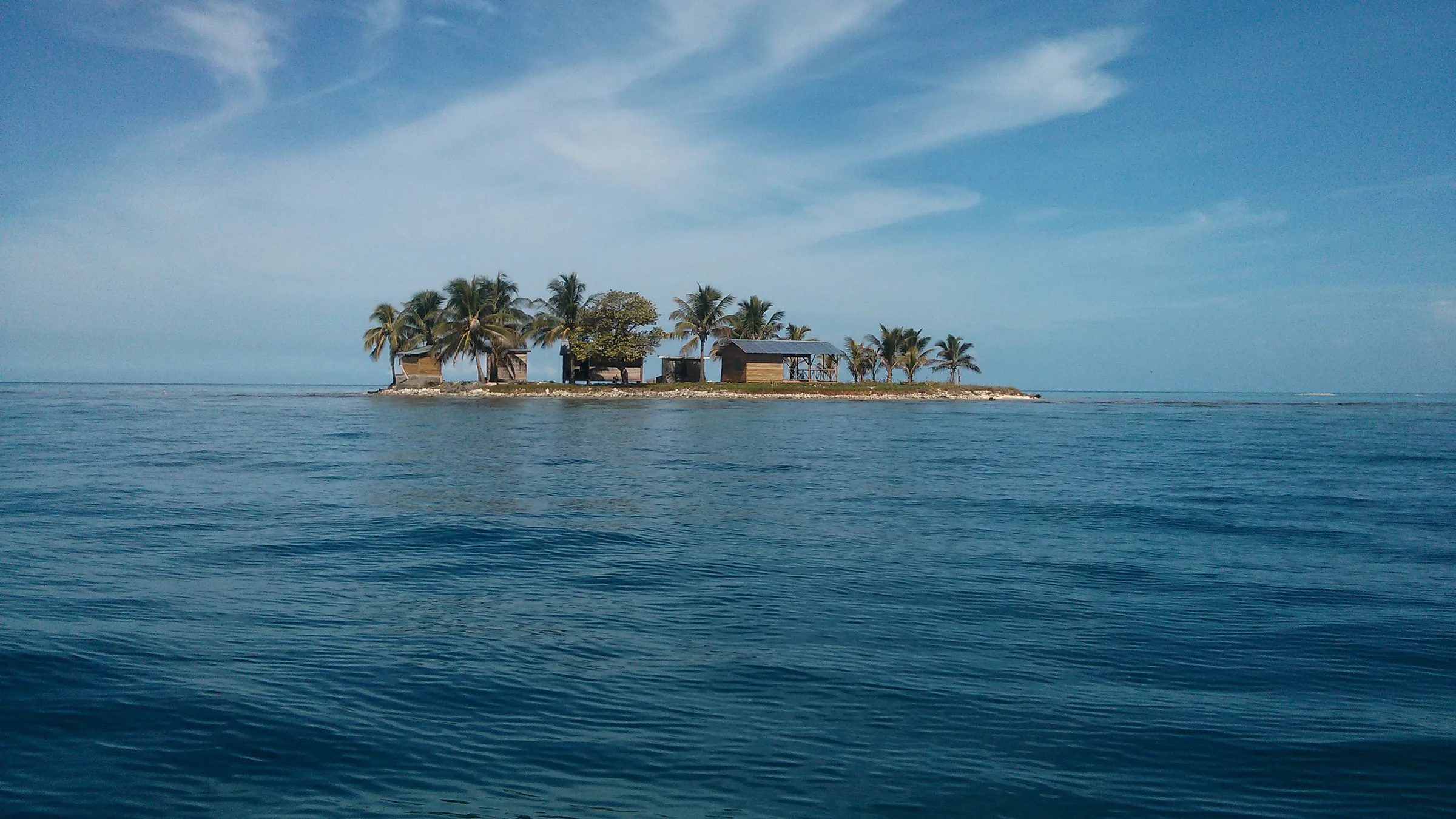
Small cay with palm trees and buildings surrounded by the sea.

Cayos
Cochinos

The marine monument of the Honduran Caribbean

Photo: Dennis García · CC BY 3.0

Before you go, understand the place.

Cayos Cochinos is an archipelago of two small islands and smaller cays, with reefs of the Mesoamerican Barrier Reef, according to Visit Honduras.

Themed guides

Places grouped by theme, to plan your day.

  • The marine monument

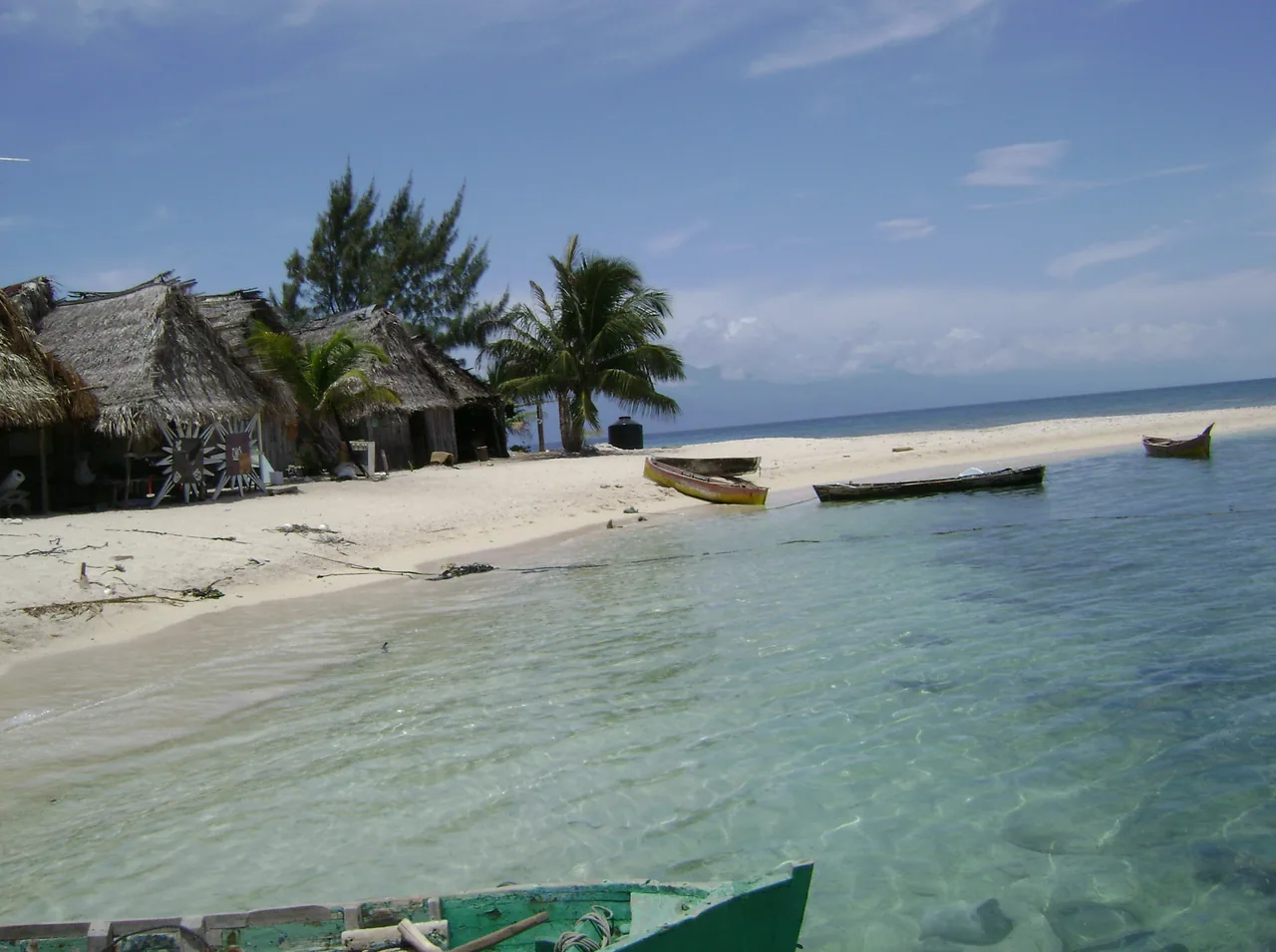
    On Cayo Cochino Menor, the HCRF checks visitors in and charges admission to the monument; its welcome centre publishes hours and fees. Chachauate, a cay with a Garífuna fishing community, is a stop on day tours, with a fried-fish lunch in the community, according to La Prensa (March 2026); the HCRF asks you to ask permission before photographing people. Cayo Cochino Mayor, the largest island in the archipelago, and the Bolaños and Timón cays have unconfirmed status: neither the HCRF nor the 2026 Honduran press clearly describes tourist visits to Cayo Mayor, and for Bolaños and Timón visits are described only by a Civitatis tour and a Roatán operator's page, respectively. The 2023-2034 management plan requires an authorised local guide and a life jacket for snorkelling, only allows camping on Bolaños from December to May, with permission from the community board and the co-manager, and notes strong currents at the snorkelling sites near Cayo Zacate and Bolaños; it also restricts access from 1 April to 30 May and from 1 July to 30 September on Paloma, Arena and Zacate cays and other sites where seabird colonies nest.

    Open the full guide

Plan your visit

The practical information you need to plan your visit

The essentials

Best time to go
According to Canada, the rainy season runs from May to November and can cause flooding and landslides, and the hurricane season from early June to the end of November in the Atlantic and the Caribbean. It is an approximate national pattern, not a climate record for each region or a guarantee for the islands. Follow COPECO's alerts.
Getting there
This guide does not yet describe the boat trip to the cays. The HCRF mentions its boats for the scientific station, not a tourist service.
  1. The Cayo Cochino Menor welcome centre and the marine monument

Tips and precautions

  1. The HCRF admission (US$5, US$10 or US$20 plus tax, depending on the visitor) is separate from the price of tours.
  2. ZOLITUR says its regime applies to the Bay Islands «except Cayos Cochinos»; what that means for passenger fees is unconfirmed.
  3. According to the United Kingdom, there is a hyperbaric chamber on Roatán and recompression facilities on Utila, but emergency medical care on the Bay Islands is extremely limited.

Safety and precautions

  • According to the United Kingdom, Honduras has one of the highest violent crime rates in Latin America and incidents can also happen in tourist areas. The Bay Islands are generally safer than the rest of the country, but there have been attacks on visitors, including on the ferries to and from the mainland, and petty theft is a problem on Roatán, Utila and Guanaja.
  • Canada considers the Bay Islands generally safe, with less violent crime, although petty crime sometimes occurs. While there, it advises avoiding the Coxen Hole, Los Fuertes and Suampo neighbourhoods after dark, and avoiding isolated beaches and areas.
  • The US Department of State advises reconsidering travel to Honduras because of crime and terrorism (level 3, advisory of 25 August 2026) and advises against travel to the department of Gracias a Dios (level 4).
  • According to state television TNH (20 September 2026), the National Defence and Security Council decided on 18 September not to apply a new state of exception; Honduran media date the end of the regime begun in December 2022 to 26 January 2026. The United States advisory of 25 August 2026 still described it as in force in 226 of the 298 municipalities. The current situation is unconfirmed. Canada notes that the authorities periodically declare states of exception: always carry ID and follow the authorities' instructions at checkpoints.

Frequently asked questions

How much does it cost to visit Cayos Cochinos?

Admission, plus tax: US$5 for Honduran residents, US$10 for non-residents arriving with a certified tour operator and US$20 for private non-residents, according to the HCRF. It is separate from the price of tours.

What are the welcome centre's hours?

Welcome centre: every day, 8:00 a.m. to 5:00 p.m., according to the HCRF.

Can you visit Chachauate?

Chachauate is a Garífuna fishing community; the HCRF asks visitors to respect its traditions and privacy and to ask permission before photographing people.

Sources

Information checked in . Prices, hours and rules change: confirm them with the official source before you travel.

  1. HCRF – Welcome Center & Scientific Station2026
  2. HCRF – About Us2026
  3. HCRF – Tips & Guidelines2026
  4. HCRF – Garífuna culture2026
  5. Visit Honduras – Islas2026
  6. FCDO – Honduras: safety and security2026
  7. Gobierno de Canadá – Travel advice: Honduras (29 sep. 2026)2026
  8. ZOLITUR – Contacto y preguntas frecuentes2026

Everything you can do

Closed or restricted places are included and flagged, so you know what to expect.

Showing 5 of 5 · 3 unconfirmed, flagged

Nature and jungle · 1

Sea, beach and reef · 2

Lakes, rivers and waterfalls · 1

  • Cayo Cochino Menor (Cayos Cochinos Marine Natural Monument)

    WaterOpen

    An island in the Cayos Cochinos Marine Natural Monument where the Honduran Foundation for the Protection and Conservation of Cayos Cochinos (HCRF) has its scientific station and welcome centre, where visitors check in and pay admission. The HCRF manages the area with the ICF and the Navy; industrial fishing is prohibited in the expanded zone, according to the HCRF.

    Practical details and sources
    Entry
    Admission, plus tax: US$5 for Honduran residents, US$10 for non-residents arriving with a certified tour operator and US$20 for private non-residents, according to the HCRF. It is separate from the price of tours.
    Hours
    Welcome centre: every day, 8:00 a.m. to 5:00 p.m., according to the HCRF.

    Tip: The HCRF asks visitors not to damage plants or wildlife, to keep to marked areas and to ask permission before photographing people. According to the HCRF, about 250 Garífuna people live on the cays of East End and Chachauate. El Heraldo (23 Sep 2026) reports that Garífuna communities keep a protest camp at Playa Uva, on Cayo Menor, against the filming of "Supervivientes"; there is a court eviction order and they say the production temporarily limits access to their beaches.

    Nearby: Chachauate (Garífuna community) (2.7 km) · Cayo Cochino Mayor (Cayo Grande) (2.8 km) · Cayo Timón (3.6 km)

    Sources: HCRF – Welcome Center & Scientific Station · HCRF – About Us · HCRF – Tips & Guidelines · HCRF – Garífuna culture · El Heraldo – Rechazo garífuna al rodaje de «Supervivientes» en Cayos Cochinos (23 sep. 2026)

    Cayos Cochinos (Bay Islands). The pin is the island in OpenStreetMap; it is not an access point.0 km in a straight line from the regional map centre

Living culture · 1

Keep exploring Honduras