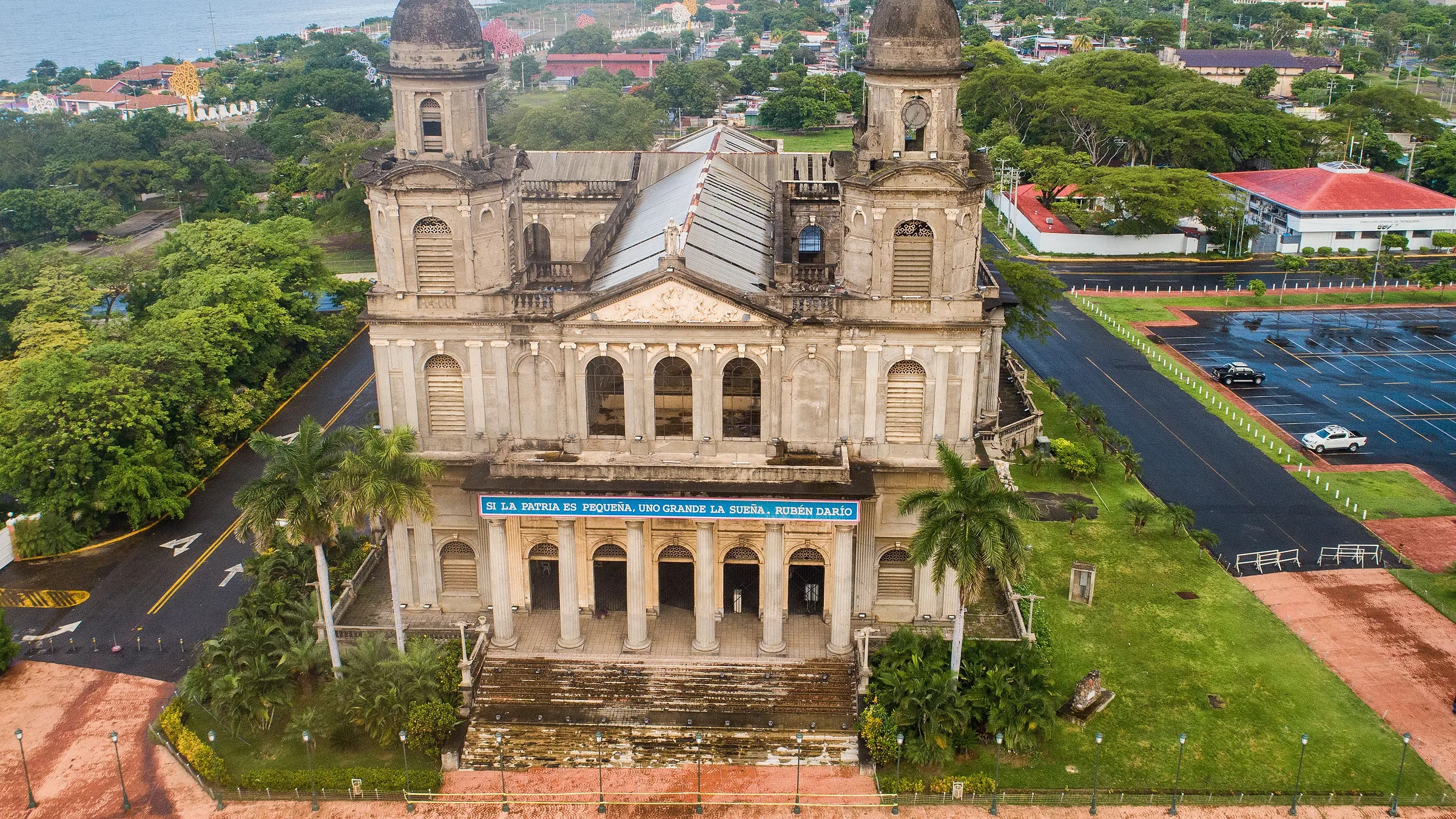
Aerial view of Managua’s old cathedral, with palms, gardens and the city behind.

Managua

Museums, historic sites, the lake and the Pacific beaches

Before you go, understand the place.

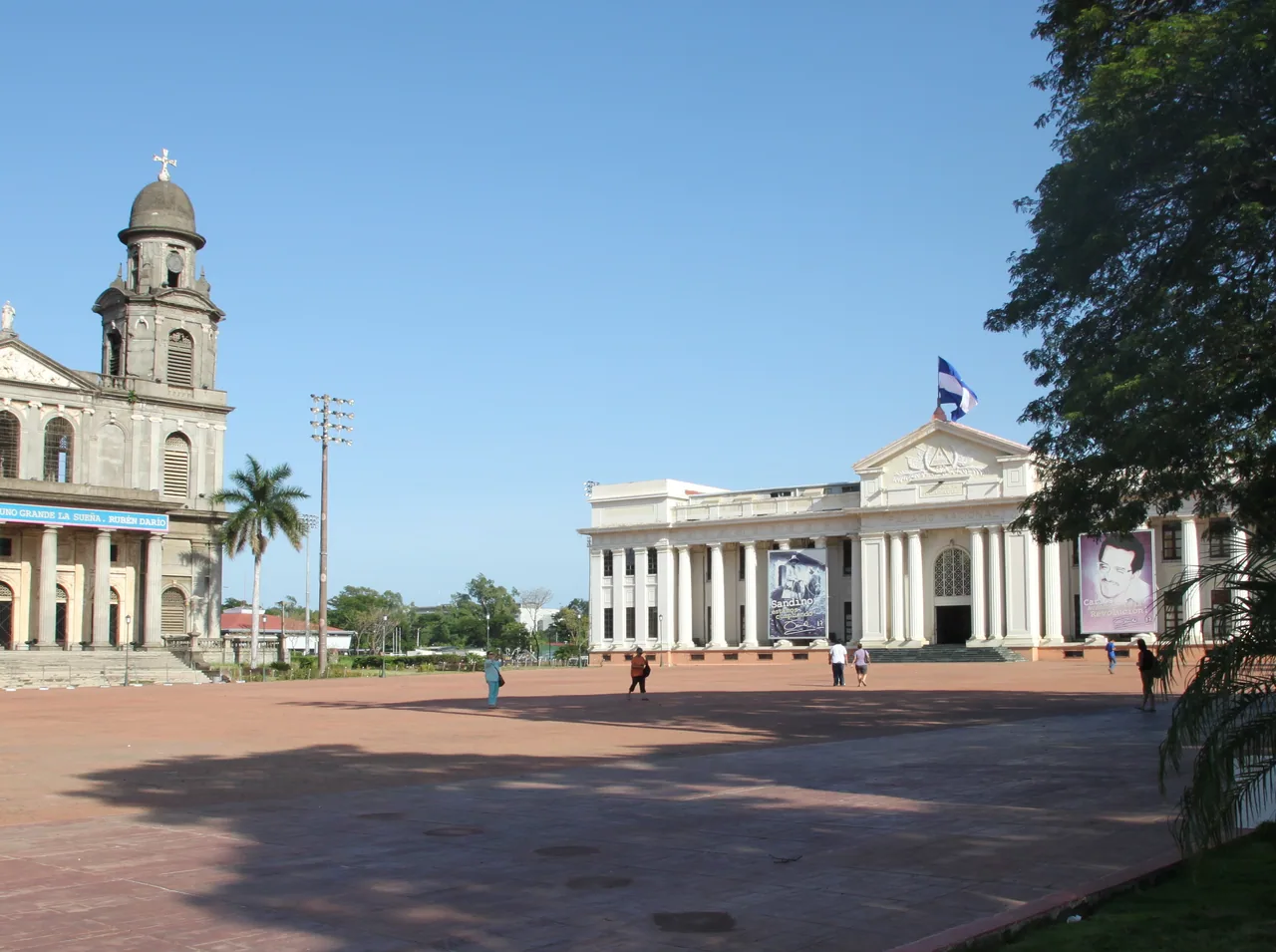
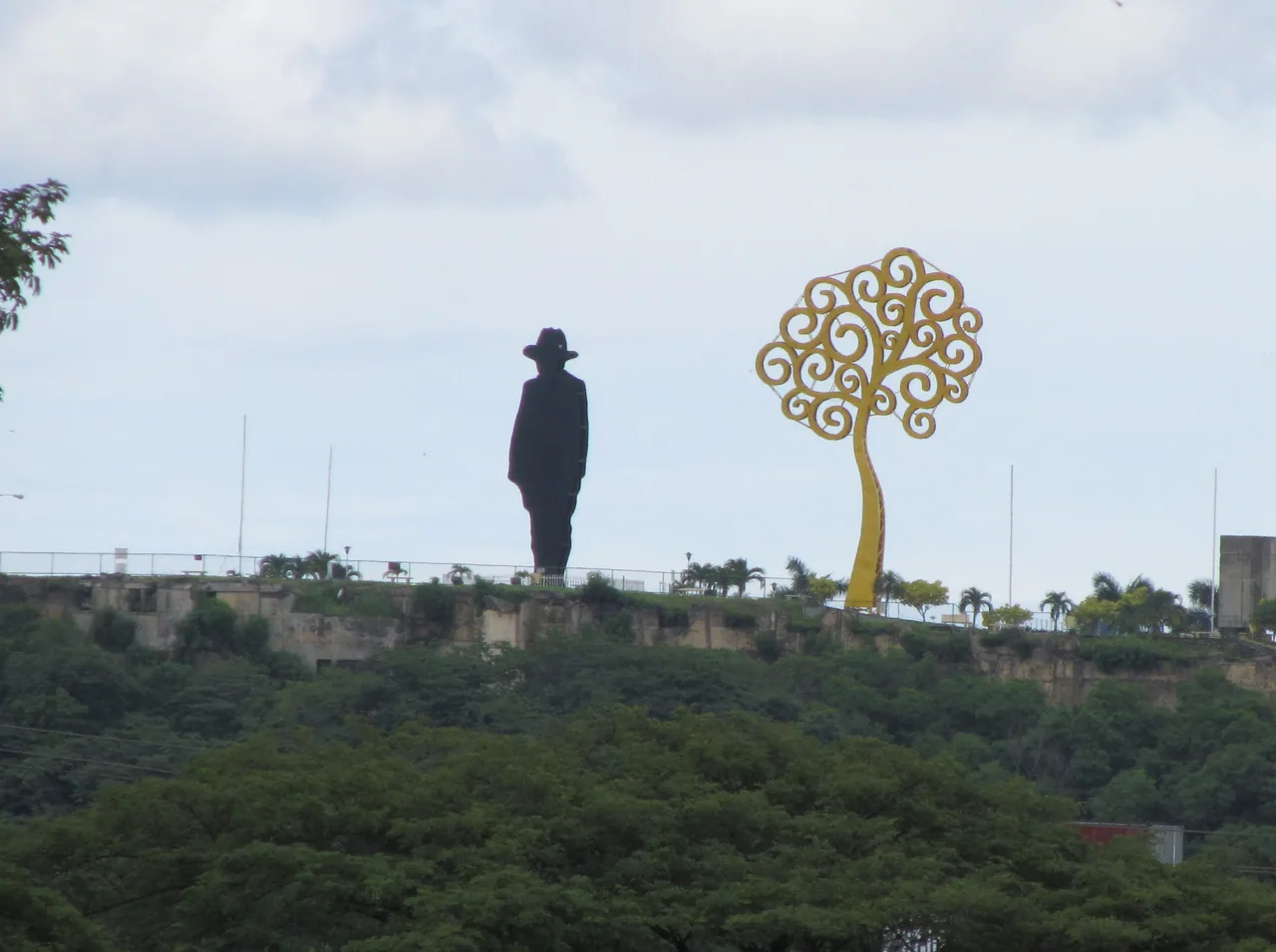
Managua gathers museums and sites of the Nicaraguan Institute of Culture (INC): the National Museum, in the National Palace of Culture, and Loma de Tiscapa Historic Park, the former centre of the Somoza dictatorship. The INC says the Huellas de Acahualinca site museum is temporarily closed: this guide gives it no card.

Themed guides

Places grouped by theme, to plan your day.

  • Museums and historic sites

    The National Museum and Loma de Tiscapa are run by the INC, which publishes their hours, but their current status is unconfirmed.

    Open the full guide
  • The lake and the Pacific beaches

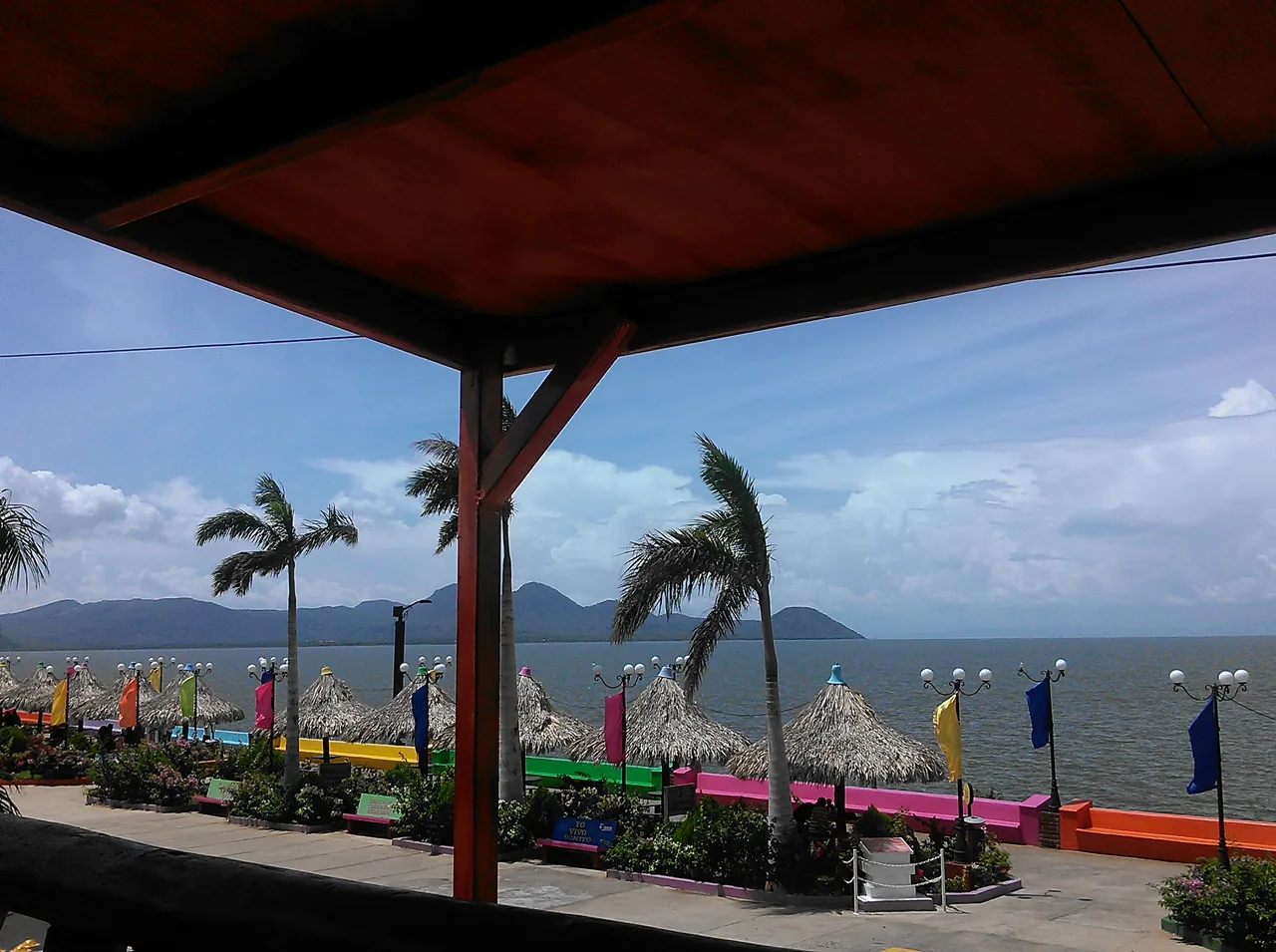
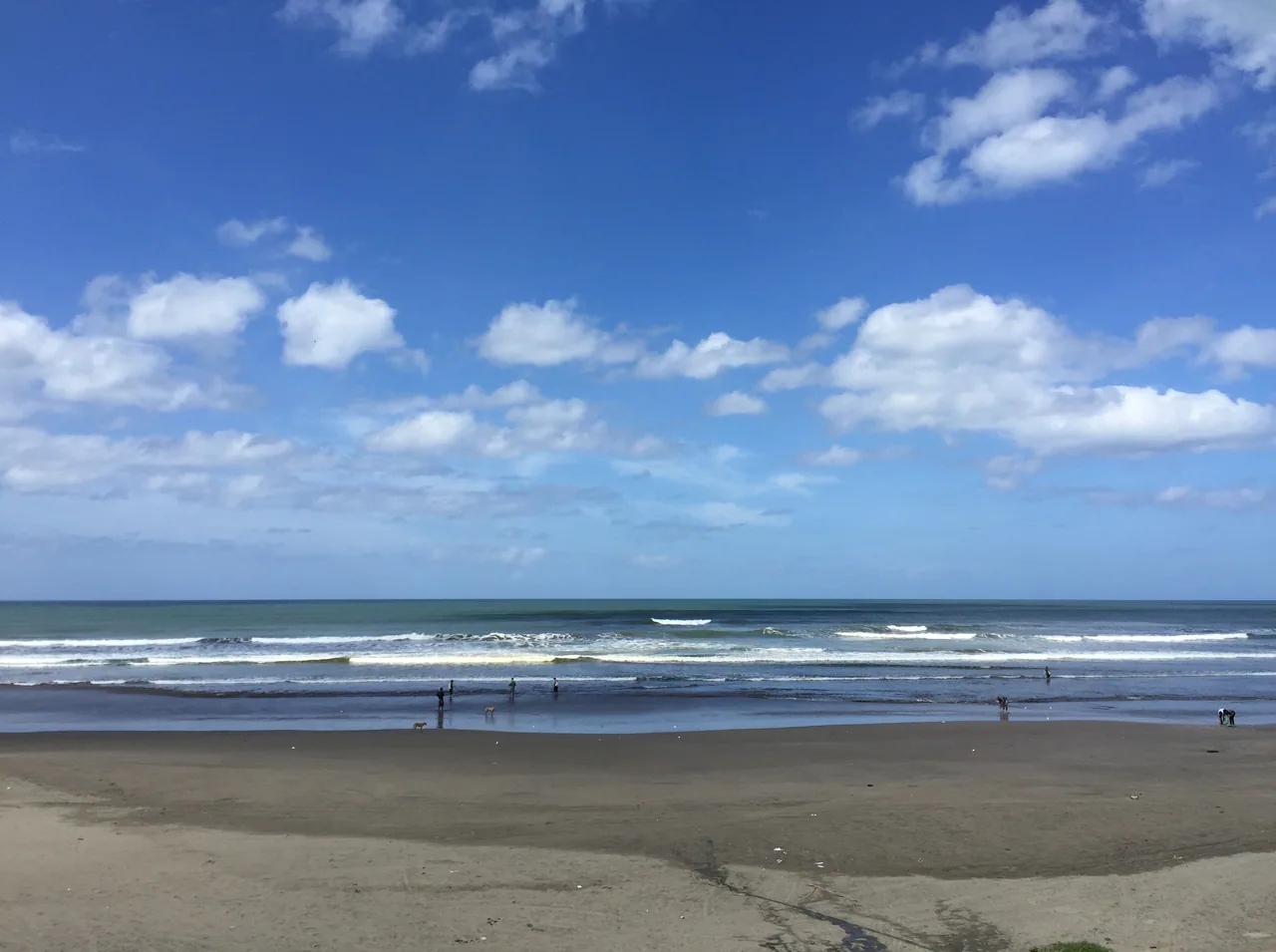
    The tourist port on Lake Xolotlán and two beaches on the coast of Managua department. According to a travel guide (2026), Puerto Salvador Allende, on the Managua waterfront, on the southern shore of the lake, opened in 2008, has restaurants, food stalls and shops and is the starting point for boat trips on the lake, including to Isla del Amor; the same guide says entry on foot is usually free, parking is charged and the complex is open at all hours, with each restaurant, shop or ride keeping its own hours. Pochomil and Masachapa lie in San Rafael del Sur municipality, on the Pacific coast, outside the city: INTUR presents Pochomil, with Masachapa, as the heart of popular beach tourism on this coast, with beachfront restaurants, boats landing the day’s catch and horse rides, and in Masachapa, according to INTUR, fishermen sell freshly caught seafood and craftspeople make necklaces, earrings, bracelets and lamps from shells. All three have unconfirmed status: the port’s status is unconfirmed, and INTUR describes the two beaches on a 2026 page with no hours or swimming information.

    Open the full guide

Plan your visit

The practical information you need to plan your visit

The essentials

Best time to go
According to Canada, the rainy season runs from May to November, with October the wettest month, and the hurricane season from mid-May to the end of November on the Pacific and from early June to the end of November in the Atlantic and the Caribbean. It is an approximate national pattern, not a climate record for each region. Follow the civil protection authorities’ instructions.
Getting there
Augusto C. Sandino International Airport in Managua receives international flights.

Tips and precautions

  1. According to the museum, nationality-based free admission on Sundays applies to Nicaraguan visitors; published foreign-visitor fees are US$5 and US$1 for those under 18, with free admission for children under 5 and senior citizens.
  2. The National Museum offers guided visits with bilingual guides in Spanish and English, according to the museum.
  3. The National Museum and Loma de Tiscapa close on Mondays, according to the museum’s and the INC’s hours.

Safety and precautions

  • The United States advises travellers to reconsider travel (level 3, advisory reissued on 14 May 2026) due to crime, limited healthcare, wrongful detention and arbitrary enforcement of local laws.
  • According to the United States, Nicaragua has denied entry to or expelled US citizens, particularly people linked to NGOs, universities, churches or the media, and checks their social media.
  • Canada advises a high degree of caution throughout the country (update of 14 October 2026) due to the political situation, the potential for civil unrest and crime.
  • Spain advises extreme caution (update of 26 May 2026).
  • The United Kingdom has no resident embassy in Nicaragua and supports its citizens from San José (Costa Rica).
  • Nicaraguan law bars foreigners from any political activity: taking part in protests or spreading criticism, including on social media, can lead to detention or deportation, according to Canada and the United Kingdom.
  • Use authorised red-plate taxis or radio-dispatched taxis: the United Kingdom warns of express kidnappings in unauthorised taxis.
  • Canada reports frequent petty crime and burglaries in the poor neighbourhoods of several cities, including Managua, Masaya and León, and in tourist areas and bus terminals.
  • Canada reports very high levels of assault and robbery in Managua neighbourhoods such as Mercado Oriental, Reparto Shick, Jorge Dimitrov, Ciudad Belén, Américas 1 and 2 and Barrio Camilo Ortega. The United Kingdom asks for care in markets, bus stations and around the old cathedral, and not to walk there after dark.
  • Canada reports house and car burglaries in remote beach communities on the Pacific coast, and warns that riptides are common on this coast and that warning signs, lifeguards and rescue equipment are often limited; it advises never to swim alone or outside marked areas.

Frequently asked questions

How much is the National Museum?

According to the museum: foreign visitors US$5 and foreign visitors under 18 US$1; Nicaraguans and residents C$50, university students C$25 and school pupils C$10; free for children under 5 and senior citizens.

What are the National Museum’s hours?

Tuesday to Friday, 8:00 a.m. to 5:00 p.m.; Saturdays, 9:00 a.m. to 4:00 p.m.; Sundays, 10:00 a.m. to 5:00 p.m.; closed on Mondays, according to the museum.

Can you visit Huellas de Acahualinca?

The INC lists it as temporarily closed, and a reopening is unconfirmed: this guide gives it no card.

Sources

Information checked in . Prices, hours and rules change: confirm them with the official source before you travel.

  1. Museo Nacional de Nicaragua (INC) – horario y tarifas2026
  2. INC – Museos y sitios históricos2026
  3. Gobierno de Canadá – Nicaragua travel advice (act. 14 oct. 2026)2026
  4. Reino Unido (FCDO) – Nicaragua: safety and security (10 dic. 2025)2025

Everything you can do

Closed or restricted places are included and flagged, so you know what to expect.

Showing 5 of 5 · 5 unconfirmed, flagged

Sea, beach and reef · 2

Lakes, rivers and waterfalls · 1

Living culture · 2

  • National Museum of Nicaragua

    CultureStatus unconfirmed

    A museum of the Nicaraguan Institute of Culture (INC) in the National Palace of Culture, with guided visits through its exhibition rooms and bilingual guides in Spanish and English, according to the museum.

    The museum and the INC publish its hours and fees, but whether they are current is unconfirmed.

    Practical details and sources
    Entry
    Foreign visitors US$5 and foreign visitors under 18 US$1; Nicaraguans and residents C$50, university students C$25 and school pupils C$10; free for children under 5 and senior citizens, and on Sundays for Nicaraguan visitors only, according to the museum.
    Hours
    Tuesday to Friday, 8:00 a.m. to 5:00 p.m.; Saturdays, 9:00 a.m. to 4:00 p.m.; Sundays, 10:00 a.m. to 5:00 p.m.; closed on Mondays, according to the museum.

    Nearby: Puerto Salvador Allende (0.9 km) · Loma de Tiscapa Historic Park (1.8 km)

    Sources: Museo Nacional de Nicaragua (INC) – horario y tarifas · INC – Museos y sitios históricos

    National Palace of Culture, south side of Plaza de la Revolución, Managua, according to the INC. The pin is the museum in OpenStreetMap; it is not the entrance.0.9 km in a straight line from the regional map centre

  • Loma de Tiscapa Historic Park

    CultureStatus unconfirmed

    The former centre of the Somoza dictatorship, whose summit overlooked Managua before the 1972 earthquake; many opponents were held and tortured there, according to the INC.

    The INC publishes its hours, but whether they are current and the fee are unconfirmed.

    Practical details and sources
    Hours
    Tuesday to Sunday, 9:00 a.m. to 5:00 p.m., according to the INC.

    Nearby: National Museum of Nicaragua (1.8 km) · Puerto Salvador Allende (2.6 km)

    Sources: INC – Museos y sitios históricos

    East side of Plaza Inter, Managua, according to the INC. The pin is the hilltop in OpenStreetMap; it is not the entrance.0.9 km in a straight line from the regional map centre

Keep exploring Nicaragua